1. YMCA Romania acted as a Champion movement, paving the way for the structured Organisational Development Process not only in Europe but across the whole Global YMCA.
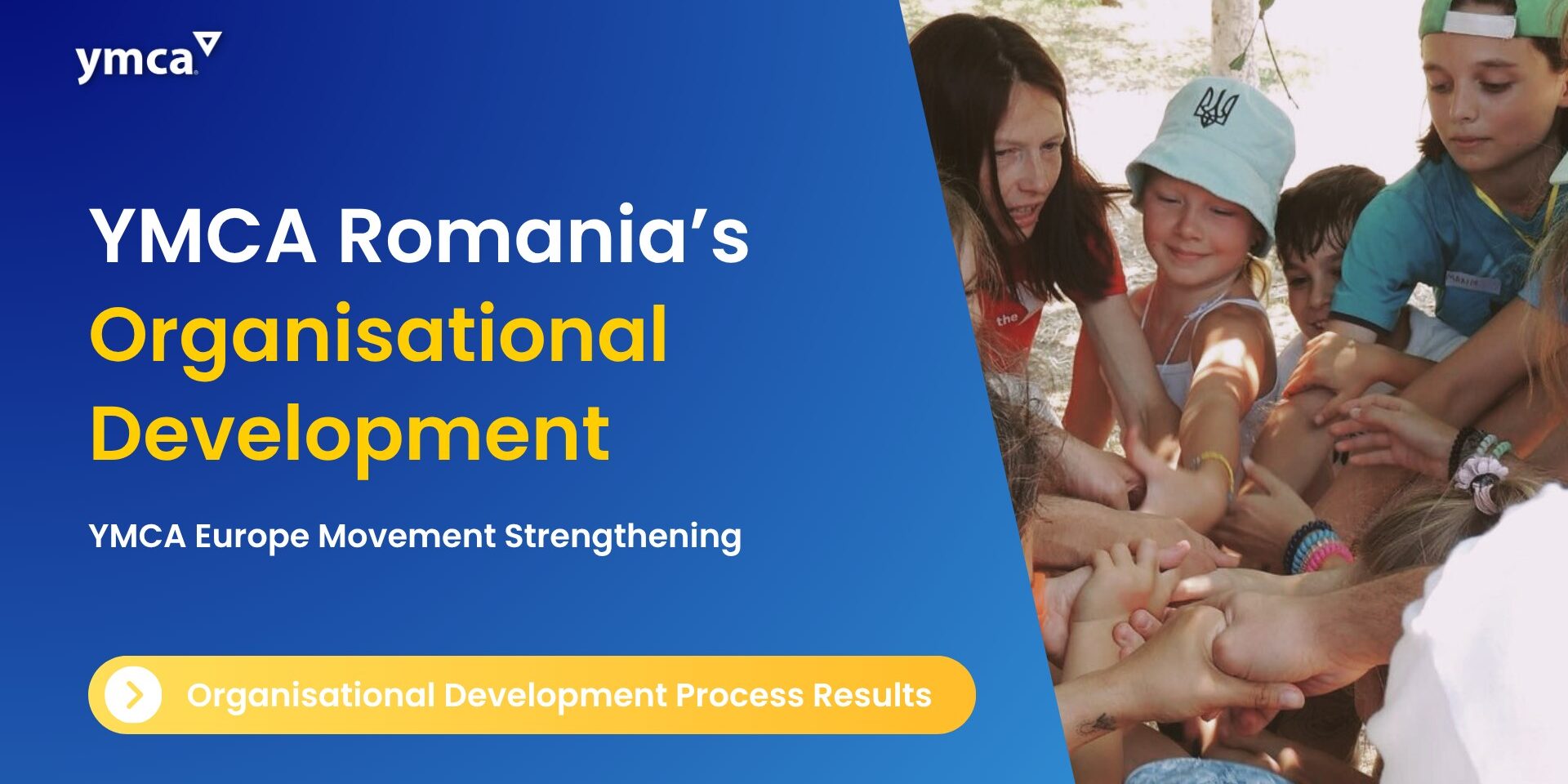
Movement Strengthening represents one of the core strategic priorities of YMCA Europe, supporting National Movements in becoming more resilient, effective, and future-oriented organisations. This approach is grounded in structured organisational development processes, informed by health assessments and implemented through collaboration with international partners.
In this context, YMCA Romania embarked on a structured organisational development journey from Spring 2024. The process brought together board members, staff, and representatives of member organisations in a coordinated effort to reflect on existing structures, identify gaps, and build a stronger and more sustainable movement.
Supported by YMCA Europe and YMCA USA, this initiative went beyond technical adjustments. It aimed at a more in-depth transformation, redefining governance, strengthening internal systems, and aligning the organisation with both national realities and global YMCA priorities, leading the movement to more sustainability and impact.
This process also contributed to strengthening trust within the movement, creating a shared understanding of direction, and reinforcing a culture of collaboration. By February 2026, YMCA Romania has made significant progress, transitioning towards a more structured, accountable, and strategically aligned national movement.
The Organisational Development process is fully aligned with the Global YMCA Movement Strengthening priorities and tools, creating a support environment for Vision 2030 implementation.
2. Governance Reform and Organisational Transformation
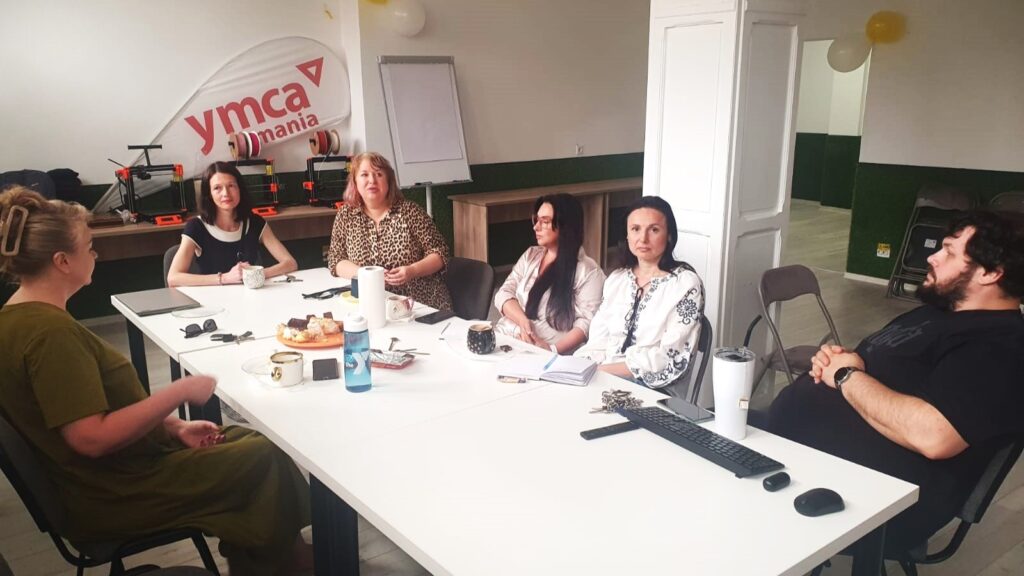
A central pillar of the organisational development process was the comprehensive reform of the legal and governance framework. A dedicated working group ensured both technical expertise and inclusiveness throughout the process.
The revision of the Constitutive Act and Status in 2024 marked a milestone, aligning YMCA Romania with national legislation and international YMCA standards. Governance roles were clarified, ensuring a clear distinction between strategic decision-making and operational implementation.
This clarity has improved internal communication, reduced overlaps in responsibilities, and increased the efficiency of decision-making processes. In addition, the review of internal policies strengthened organisational procedures, ensuring better coordination between national and local levels.
The formalization of key procedures, including risk management and organisational continuity, contributes to long-term institutional resilience and preparedness.
3. Membership and Internal Cohesion
YMCA Romania developed a structured framework for Membership Criteria and Minimum Standards, aiming to ensure consistency and alignment across the movement.
The introduction of a two-tier system (associate and full members) supports gradual organisational development while maintaining quality standards.
This allows new organisations to integrate progressively into the federation while benefiting from support and guidance throughout the process of becoming members. The process also encouraged dialogue between member organisations, strengthening relationships and fostering a stronger sense of belonging. A monitoring system is currently under development and will provide tools for tracking progress, supporting compliance, and encouraging continuous improvement.
4. Strategic Consultation and Evidence-Based Planning
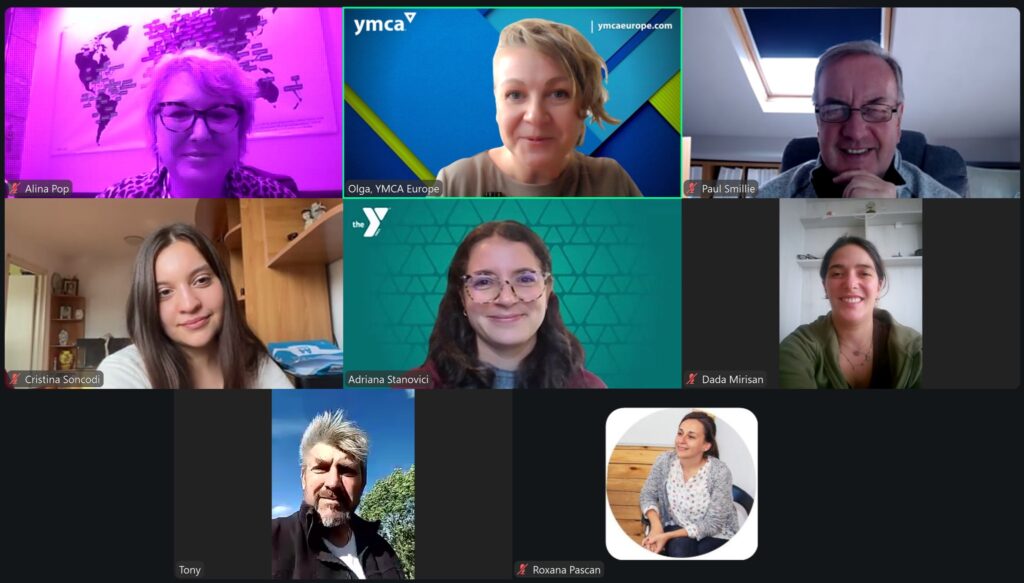
A national consultation process provided a comprehensive overview of the organisational landscape. It revealed both strengths and areas requiring attention.
The consultation highlighted strong programmatic engagement and community impact while also identifying systemic challenges such as uneven organisational capacity, limited financial sustainability, and lack of unified monitoring systems.
It also emphasized the importance of leadership development and the need for stronger executive structures at local level. Importantly, the process created a platform for dialogue, enabling organisations to share experiences, challenges, and good practices.
This evidence-based approach ensures that strategic planning is grounded in reality and supports a balanced and achievable development path. A new Strategy has been co-created!
5. Programmatic Impact and Vision 2030 Alignment
YMCA Romania delivers diverse programs addressing youth empowerment, education, social inclusion, and community development.
In 2025, over 4,000 beneficiaries were reached through activities implemented across the country. Programs contributed significantly to Community Wellbeing and Just World pillars, particularly through work with vulnerable groups and inclusion initiatives.
Efforts related to Meaningful Work supported employability and skills development, while Sustainable Planet initiatives, though present, remain an area with strong potential for expansion.
The alignment with Vision 2030 provides a strategic framework for strengthening coherence and impact across all programmatic areas.
6. Impact and Results
In the most recent reporting cycle, YMCA Romania reached approximately 4,255 beneficiaries nationwide. Around 65% of beneficiaries are young people aged 14–35.
Impact across Vision 2030 pillars includes Community Wellbeing (1,882), Meaningful Work (989), Sustainable Planet (586), and Just World (798).
Programs combining refugee inclusion, digital education, youth empowerment, and environmental initiatives contribute to resilience, social cohesion, and long-term community development.
7. Organisational Capacity and Systemic Challenges
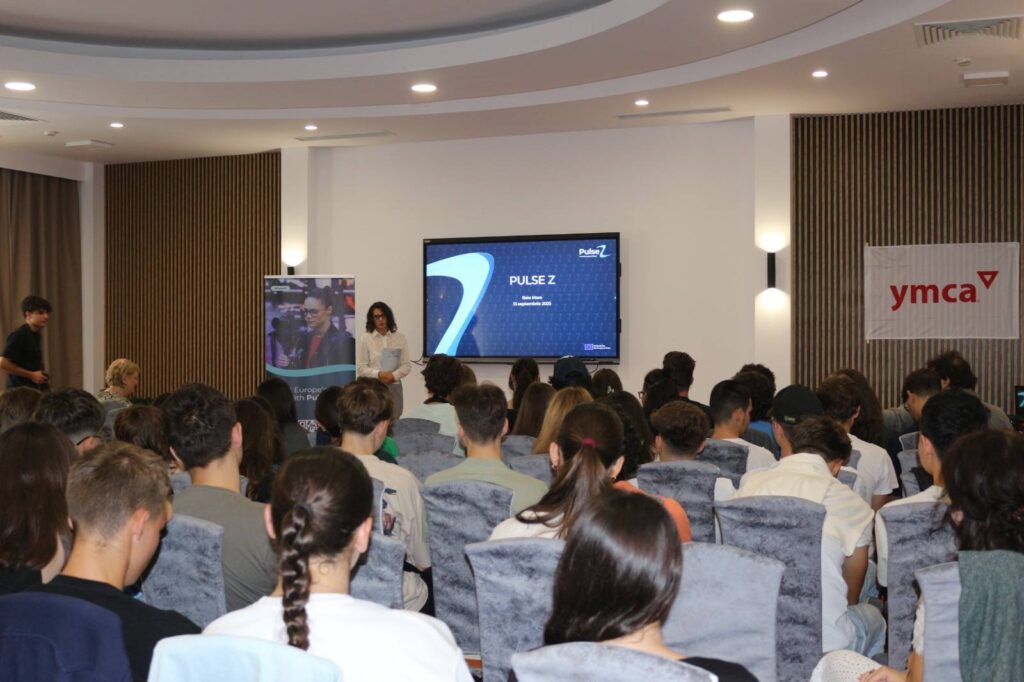
Organisational capacity across YMCA Romania varies significantly. While some organisations operate with established structures and resources, others are still developing their operational capacity.
Volunteer engagement is a key strength; however, reliance on volunteers alone can limit sustainability and scalability. Limited access to stable funding, infrastructure constraints, and the need for digitalization further impact organisational performance.
Addressing these challenges requires coordinated national efforts, including training, mentoring, and resource-sharing mechanisms. Strengthening organisational capacity remains essential for ensuring long-term impact.
8. Governance Capacity and Leadership Development
Leadership development has been a key focus area. The introduction of a competency-based framework for board members supports more effective governance and strategic thinking.
The establishment of a Nomination Committee ensured a transparent and structured recruitment process. Newly elected board members benefited from training sessions aimed at strengthening governance knowledge and leadership skills.
This investment contributes to building a governance culture that is informed, accountable, and future-oriented.
9. Financial Sustainability and Resource Development
Ensuring financial sustainability is critical for the organisation’s long-term development. YMCA Romania initiated steps to diversify income streams and strengthen fundraising capacity.
The development of a Sustainability Framework outlines potential directions, including partnerships, grant funding, and innovative financing approaches.
Participation in international learning events enhanced knowledge and exposure to best practices in fundraising and resource mobilization. Continued focus on this area will be essential for stability and growth.
10. Partnerships and Ecosystem Development
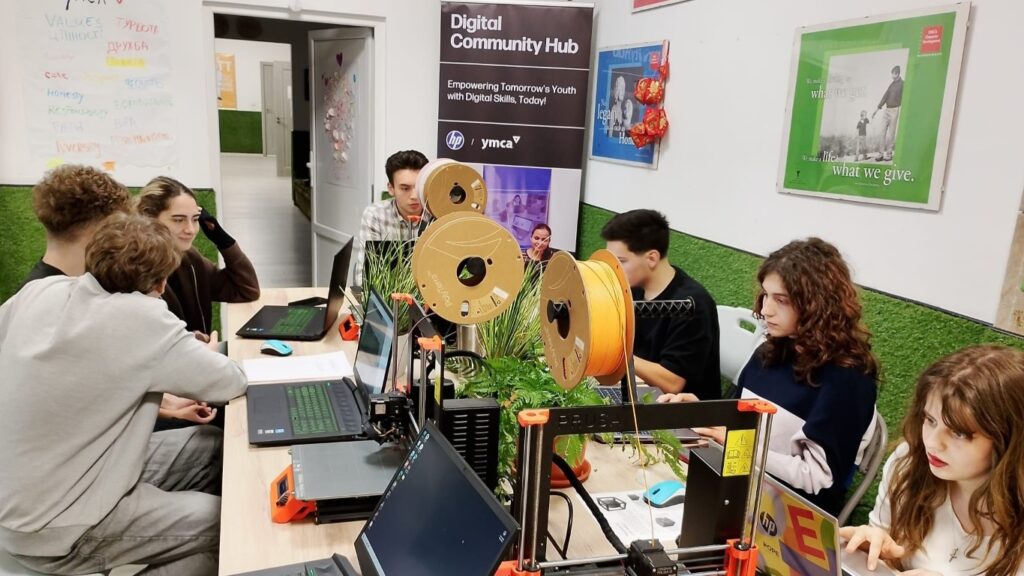
YMCA Romania operates within a broad ecosystem of partnerships. Collaboration with international YMCA structures, public institutions, and civil society organisations enhances program delivery and organisational development.
These partnerships facilitate knowledge exchange, increase visibility, and provide access to resources. Strengthening and expanding partnerships remains a strategic priority.
11.Monitoring, Evaluation, and Learning
A key area identified for further development is the establishment of a unified monitoring and evaluation system.
Currently, data collection and impact measurement vary across organisations. Developing a common framework will enable better tracking of results, improved reporting, and more informed decision-making.
Such a system will also support transparency, accountability, and communication with stakeholders and partners.
12. Looking to the Future
The next phase focuses on implementation, consolidation, and scaling. Priorities include strengthening monitoring systems, expanding programs, enhancing sustainability, and increasing organisational capacity.
YMCA Romania aims to position itself as a national leader in youth development and as an active contributor to the European YMCA movement. The foundation built during this process provides a strong basis for future growth and impact.