From Agency to Action: YMCA Europe Leadership Academy “Subjects Matter”, session one | 20-26 April 2026, Kosovo, Peja
The YMCA Europe Leadership Academy (YLA) 2026 held its first international activity in Kosovo, marking the beginning of a journey that will stretch across multiple countries and shape the next generation of civil society leaders across the continent.
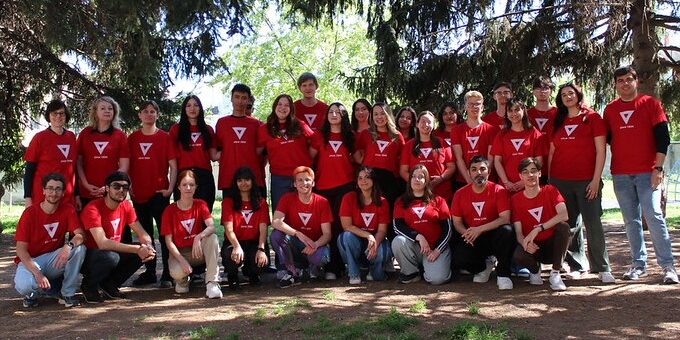
The programme, titled “SUBJECTS MATTER: Autonomous Leaders for Impactful and Sustainable Civil Society Spaces” brought together 25 young YMCA activists from 16 countries across Europe for five intensive days of learning, reflection, and real-world project development.
What Is the YMCA Europe Leadership Academy?
The Leadership Academy is a flagship capacity-building initiative by YMCA Europe, designed to equip emerging leaders with the knowledge, skills, and mindset needed to drive meaningful change in their communities. The programme is built around three interconnected pillars: personal agency, intercultural competence, and social project design.
At its heart is a simple but powerful conviction: that sustainable civil society begins not with tools or techniques, but with people who know who they are, understand how they think, and are willing to take responsibility for the spaces they inhabit.
Learn more about the Leadership Academy Signature Programme.
Activity One: Agency and Inclusion in Kosovo
The first session, held in Peja, Kosovo, was titled “Agency: Building Personal Capacity for Embracing Inclusion and Diversity.” Over five days, participants explored what it means to be an agent of change – someone who acts from intention rather than habit, from awareness rather than autopilot.
The programme was deliberately experiential. Facilitators from across the YMCA network guided participants through activities that required them to think, feel, reflect, and apply – not simply listen.
Day One opened with introductions and team-building, but quickly moved into deeper territory. Participants explored the concept of “personal agency” – what it means to feel in control of one’s direction rather than carried along by circumstance. A key session introduced “metacognitive thinking”: the capacity to observe one’s own thought processes, challenge automatic reactions, and make more conscious decisions. Brain science was woven into the discussion, helping participants understand what happens when the amygdala fires before the rational mind catches up – and what tools we have in those moments. The practice of distinguishing facts from interpretations, and of thinking critically about one’s own assumptions, ran as a thread through the whole day.
Day Two turned to identity and culture. Participants examined the layers of their own identities, explored how culture shapes what feels “normal,” and practiced navigating brave and safer spaces where vulnerability and honest dialogue are welcomed. A simulation exercise placed participants in different cultural roles, making visible how easily misunderstanding arises from unspoken norms – and how intercultural competence is built through curiosity rather than assumption.
Inclusion and diversity were examined not abstractly, but through lived experience. Activities like the “Forcing the Circle” exercise brought to the surface what exclusion actually feels like – and what it takes to change structural conditions rather than simply asking individuals to adapt.
Day Three brought the community of Kosovo into the room. The “Human Library” format introduced participants to real people – YMCA practitioners from Kosovo, the United States, the Council of Europe, and beyond – whose stories illustrated different forms of social activism and proactivity. An excursion into Kosovo offered direct encounter with the social and cultural landscape that local YMCA teams navigate every day.
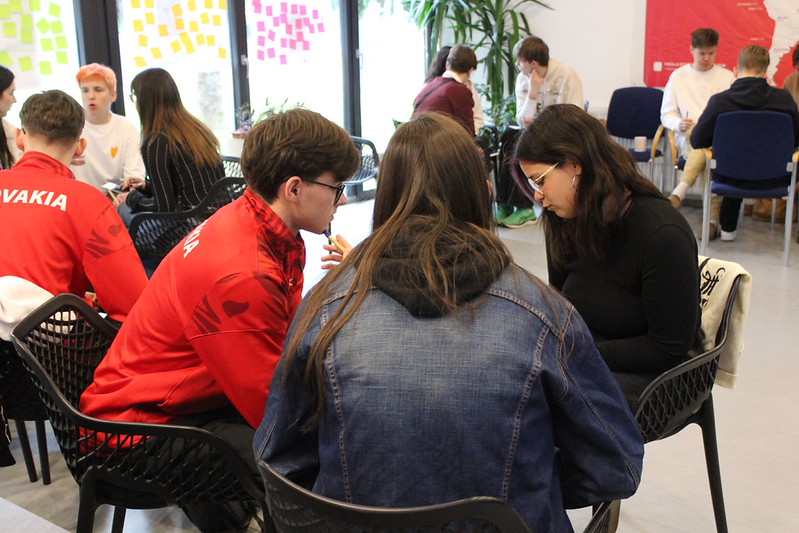
Day Four shifted to the practical craft of project design. Participants worked through the full project cycle: identifying social problems, defining target groups, formulating goals and objectives, and choosing activity formats that genuinely serve the people they aim to reach. Sessions were deliberately hands-on – problem statements were drafted and pinned to the wall, objectives were tested and refined, and activity formats were critically evaluated through case studies that revealed what happens when design ignores context, dignity, or access.
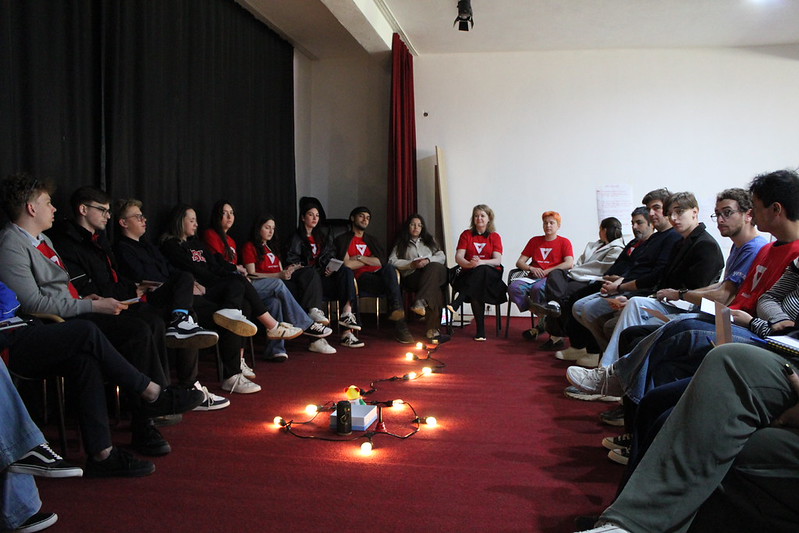
Day Five brought the week to a close with sessions on monitoring and evaluation, practical assignment guidance, and a final collective reflection. Participants revisited the personal learning objectives they had set on Day One, identified what had shifted, and set intentions for the work ahead. The closing circle gave space for honest, personal reflection – on the learning, on the group, and on what each person is carrying forward.
What Participants Took Away
The first session in Kosovo was designed with a clear aim: to develop the competences and motivation of young activists to promote active participation, inclusion, diversity, peace, and intercultural dialogue through community projects. Here is what the week actually built.
- Understanding themselves as agents. Participants deepened their awareness of what personal agency and autonomy mean in practice. They explored the key competences of an autonomous person: metacognitive reflection, the ability to distinguish facts from interpretations, and the confidence to choose a response rather than simply react. They encountered proactivity as a concrete skill – one that can be named, practised, and brought directly into their work with young people.
- Understanding the world they act in. Participants gained a clearer picture of civil society and its role in personal and community development. They explored different forms of youth activism and social proactivity, and examined what intercultural diversity means and why it matters – not only in global contexts, but in every local space where people from different backgrounds meet. They unpacked what intercultural competence actually includes and how it connects to the everyday work of inclusion, peace-building, and intercultural dialogue.
- Gaining practical skills. By the end of the week, participants had drafted the foundations of a real social community project – identifying a problem, describing a target group, setting a goal and objectives, and selecting activity formats grounded in non-formal education principles. They also began developing the capacity to analyse their own intercultural competences, a thread that will be deepened in the next YLA session.
- Shifting in attitude and behaviour. Some of the most significant changes are harder to capture on paper but were clearly present. Participants left with curiosity toward difference, openness to other people’s stories, and the motivation to keep growing – as individuals and as activists. Many described a renewed confidence in their own voice and their capacity to act. The drive to go home and actually do something was named again and again as the week drew to a close.
- Building something beyond the curriculum. The activity also gave participants things not easily listed in a learning objective: a genuine sense of belonging to a community they had helped co-create, the experience of brave and safer spaces not just as concepts but as lived reality, and a sharpened habit of critical thinking that will serve them long after the flipcharts come down. They leave not only more knowledgeable, but more empowered.
The People Who Made It Happen
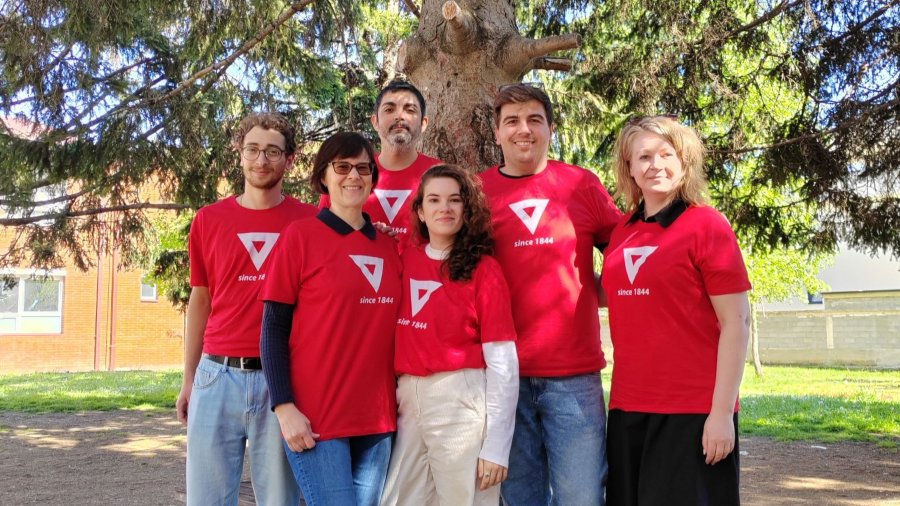
The activity was delivered by a diverse team of facilitators from across the YMCA network, including Volunteers, staff from YMCA Europe and the Council of Europe expert, who played an essential role in grounding the international programme in local reality. The high level of organisational skills of YMCA Kosovo, their hospitality, care, and commitment made the week possible.
The Planning Team:
Volunteers:
Ivo Tepavski
Giorgi Adikashvili
Tatsiana Chaplia
Council of Europe expert:
Cihan Kilic
YMCA Europe staff team:
Martina Hudcovska
Olga Lukina
Full photo album.

What Comes Next
The activity is the first of several international sessions in the Leadership Academy programme. Participants will return to their home organisations with practical assignments, developing local projects that apply what they have learned. These projects will be supported, documented, and shared across the YLA network. At the second session in October the participants will analyse their project experience and dive deep into the topic of organisational sustainability.
The Leadership Academy is designed not to produce a single week of inspiration, but a sustained process of growth – for individuals, for organisations, and for the civil society spaces they are building together.
YMCA Europe Leadership Academy is a capacity-building initiative of YMCA Europe, supporting the development of autonomous, impactful, and values-driven leaders across the continent.
Co-funded by European Youth Foundation.