Working Visit to YMCA Bavaria: Building Partnerships Across Borders.
Between 18 and 21 May 2026, YMCA Europe conducted a working visit to Bavaria, meeting with CVJM Bayern’s regional centre and local organisations in Nuremberg and Munich.
CVJM Germany is a member of YMCA Europe, and the two organisations maintain an active working relationship. This visit was a continuation of that cooperation – moving from formal structures to direct, on-the-ground exchange.
Understanding how YMCAs operate at grassroots level is essential for YMCA Europe. It allows us to make informed connections between local realities and the partnerships, programmes, and projects we develop at European level. Without that grounding, European initiatives risk being disconnected from the communities they are meant to serve.
CVJM Bayern Regional Centre
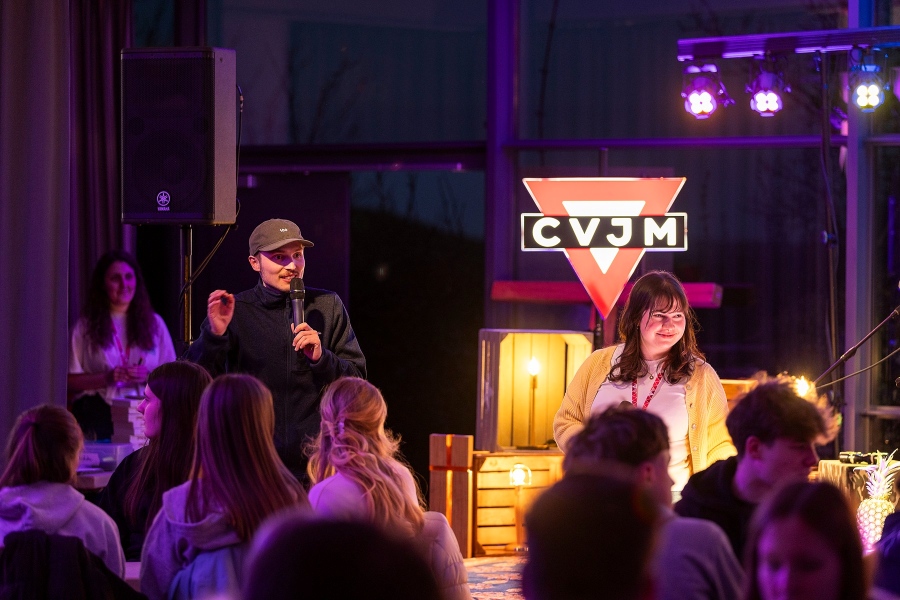
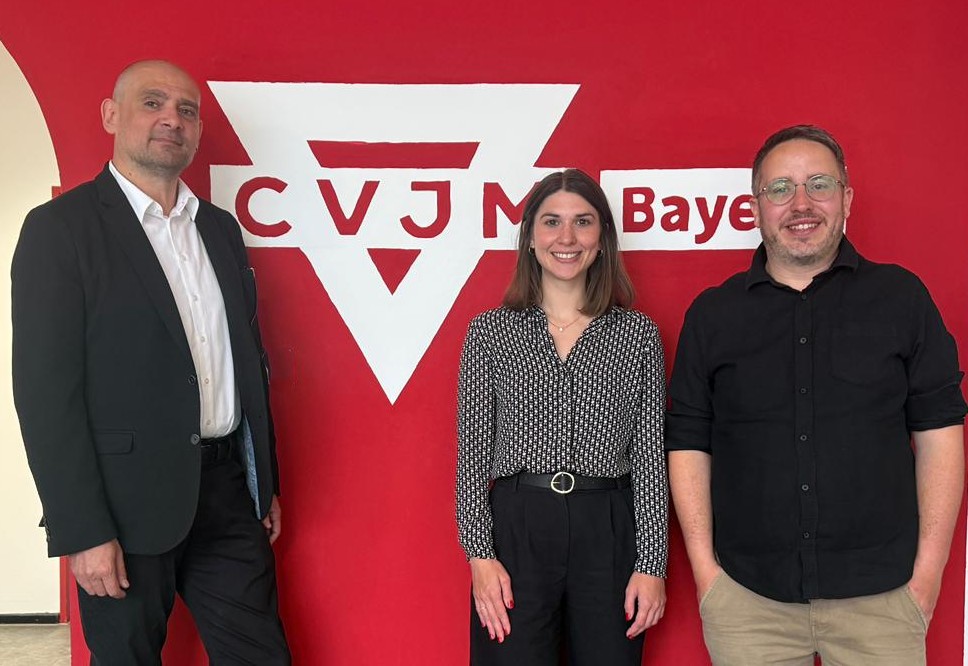
The first meeting took place with Daniell Gass at the CVJM Bayern regional office. Discussions focused on three concrete areas: digitalisation, camps, and future collaboration frameworks. Both sides agreed to develop a shared structure for these topics in the coming weeks.
CVJM Bayern, the regional YMCA association in Bavaria, has around 12,140 members, more than 4,350 volunteers, and over 100 local YMCA associations across the region; its work is supported by more than 80 full-time and part-time staff at regional level, plus around 200 employees in local associations and centres.
The organisation is based in Nuremberg and also operates through key sites such as Burg Wernfels and the CVJM youth hostel in Gunzenhausen. In practical terms, this makes CVJM Bayern a large grassroots network with strong local reach, solid volunteer engagement, and its own infrastructure for youth work, camps, and community activities.
YMCA Nuremberg
In Nuremberg, YMCA Europe met with Oliver Mally, Secretary General of YMCA Nuremberg. Their main activities include children’s sports and play, language-learning and learning cafés, family and intergenerational programmes, services for seniors, support and integration activities for refugees, youth work, camps, and regular faith-based gatherings and community events.
The visit in Nuremberg also included a conversation with Michael Götz, former Secretary General of CVJM Bayern, who now coordinates the Evangelic Campus Nuremberg – a central campus with an investment of more than 200 million euros and a focus on creating a shared space for study, administration, and community life. His trajectory illustrates the broader ecosystem in which YMCA work in Germany is embedded.
YMCA Munich
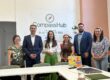
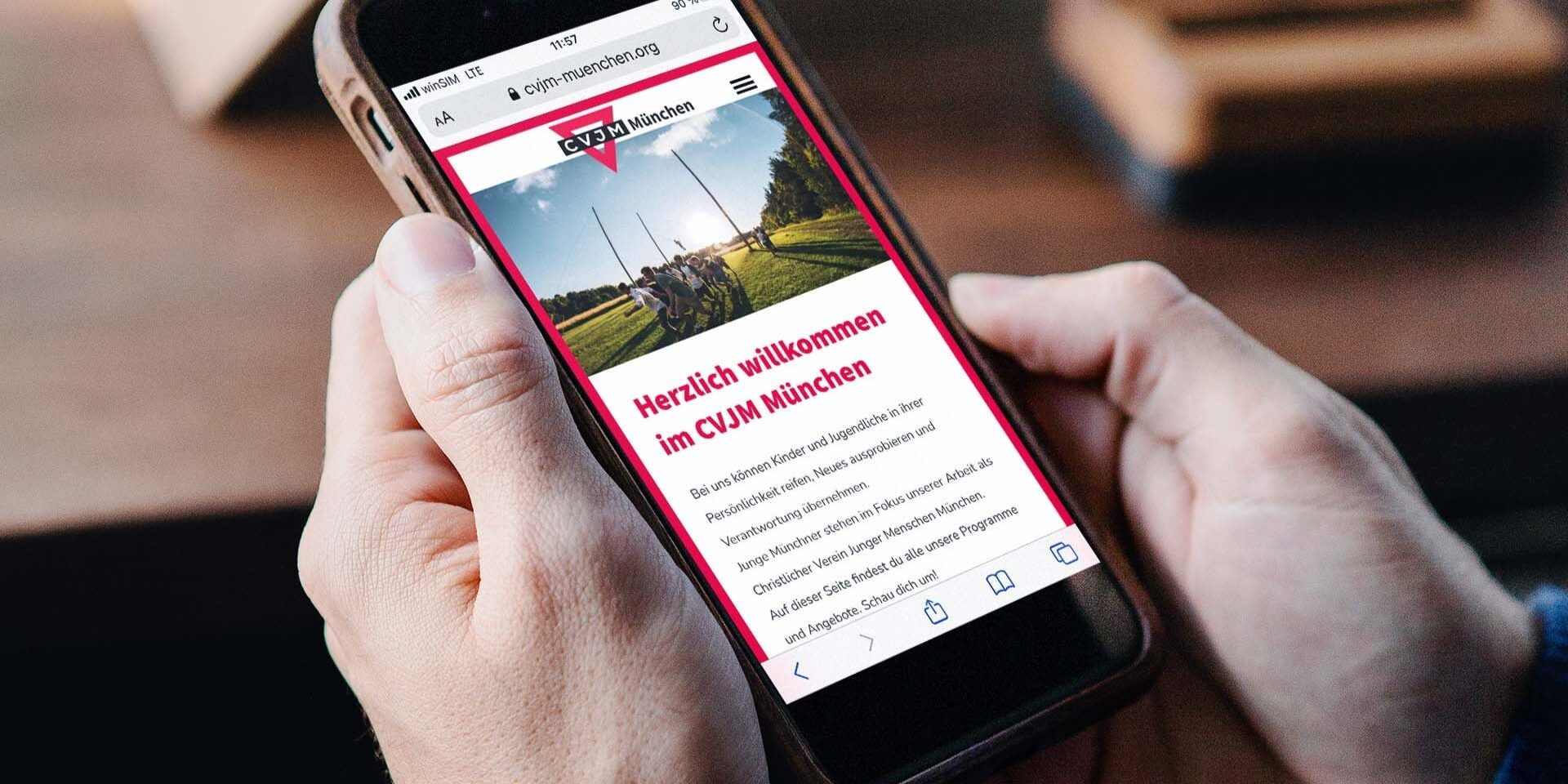
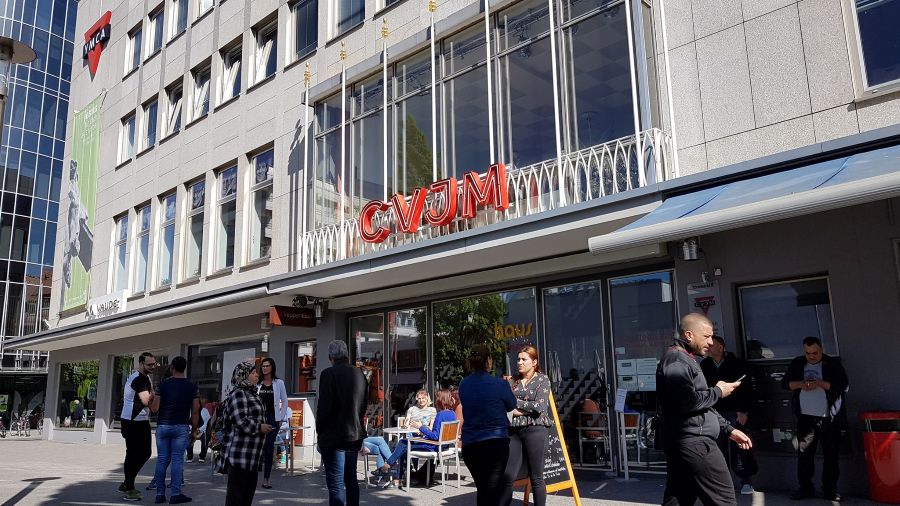
The visit concluded in Munich, where conversations covered community work, youth programmes, and challenges shared by YMCAs across Europe. Staff members and local leaders spoke directly about their daily priorities – the kind of detail that informs how YMCA Europe can offer relevant support rather than generic frameworks.
Discussions included concrete pathways for cooperation: involvement in international projects, access to European funding, and closer alignment with YMCA Europe initiatives. The visit also covered YMCA Munich’s hotel and conference centre as a potential venue for future YMCA Europe meetings and events.
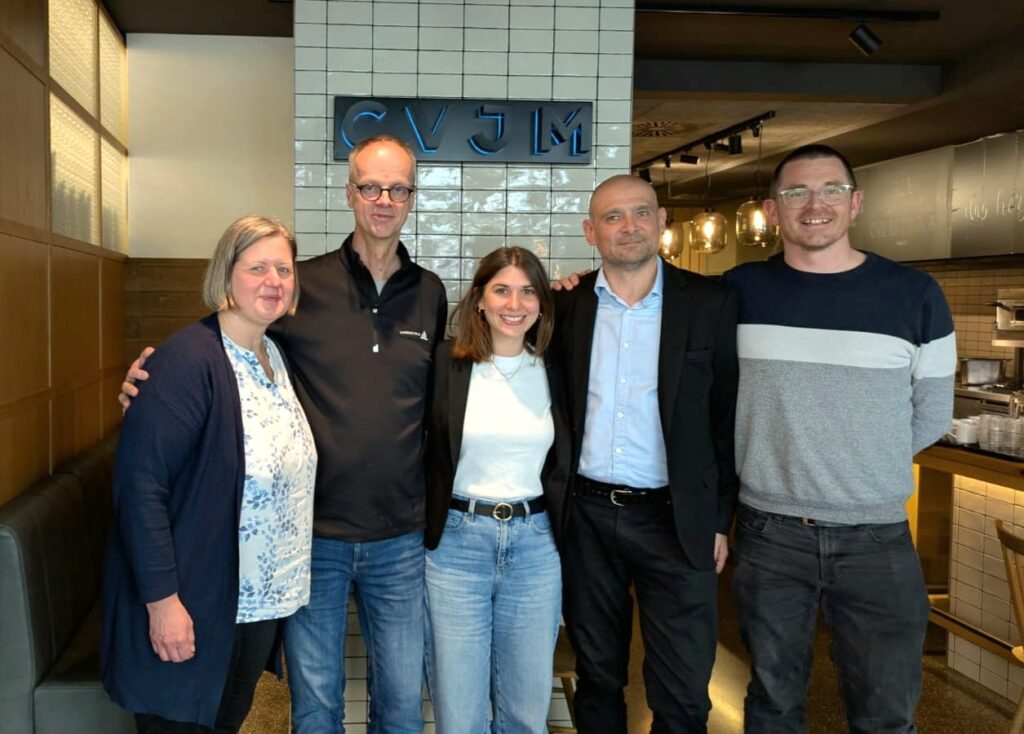
Thanks go to Joachim Schmutz – Secretary General, Nathan Adams, and the full YMCA Munich team for the open discussions and warm welcome.
A conversation with Claudia Kuhn from the YMCA Germany national office added a broader perspective on the future of YMCA cooperation in Europe and we are grateful to the national movement for their continued support in connecting regional and local realities with our European work.
Next Steps
Follow-up actions are already underway, starting with the digitalisation and camps framework developed with CVJM Bayern. The visit produced a clearer picture of where YMCA Europe can add practical value – through project involvement, shared learning, and structured cooperation on digital and youth work priorities.