While Europe debates the digital skills gap, proven solutions are already emerging across the continent.
The European Union has set an ambitious Digital Decade target for 80% of people aged 16 to 74 to possess basic digital skills by 2030; however, current figures fall well below this threshold. This disparity is not a distant future risk; it is a current, measurable shortfall that hits marginalised groups the hardest. It creates a deep, uneven access to modern hiring practices and learning pathways.
The gap is not just a policy statistic—it has a face. However, in cities across Europe, YMCA Europe and HP are already closing the gap.
From Policy to Physical Spaces: Inside the Collaborative Digital Network
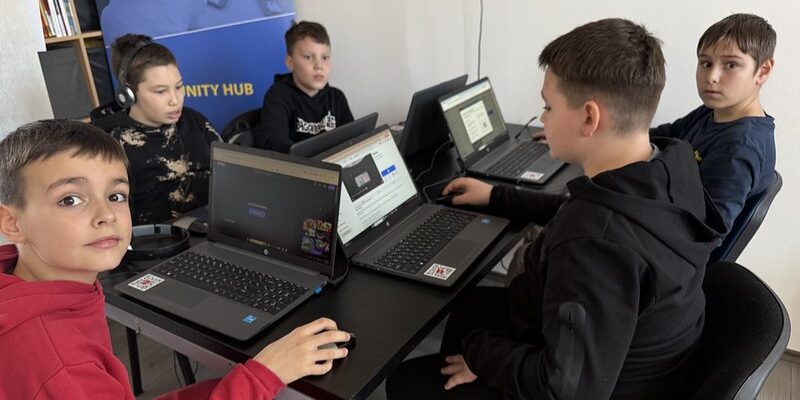
To bridge this divide permanently, we must move past abstract, short-term “programmes” and invest in physical, local infrastructure. A Digital Hub is a concrete, trusted community space where young people gather to adopt modern digital technologies.
Developed through a strategic partnership between YMCA Europe and HP, it combines state-of-the-art HP hardware, practical digital curricula (such as HP LIFE), and the trusted, local delivery network of the YMCA. This is not just a corporate funding initiative; it is a collaborative ecosystem designed for deep, measurable impact.
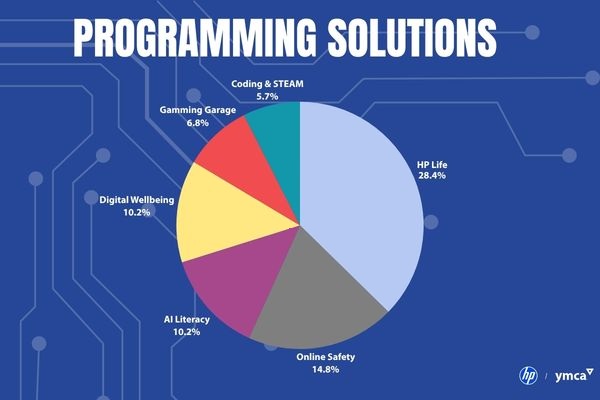
This operational model has successfully scaled across 23 European nations, establishing a physical network of 578 active Digital Hubs. To date, the initiative has logged 44,688.5 instructional hours, directly reaching a total of 240,742 beneficiaries. The emerging demand of the modern workforce is clear, as 28.4% of participants engage with HP LIFE entrepreneurship tools, 14.8% focus on Online Safety, and 10.2% on mastering AI Literacy.
By targeting demographics where support is needed most, the hubs serve an ecosystem composed of 224,215 youth and adults, alongside 3,538 educators who scale this learning further.
From Skills to Action: Real-World Outcomes on the European Ground
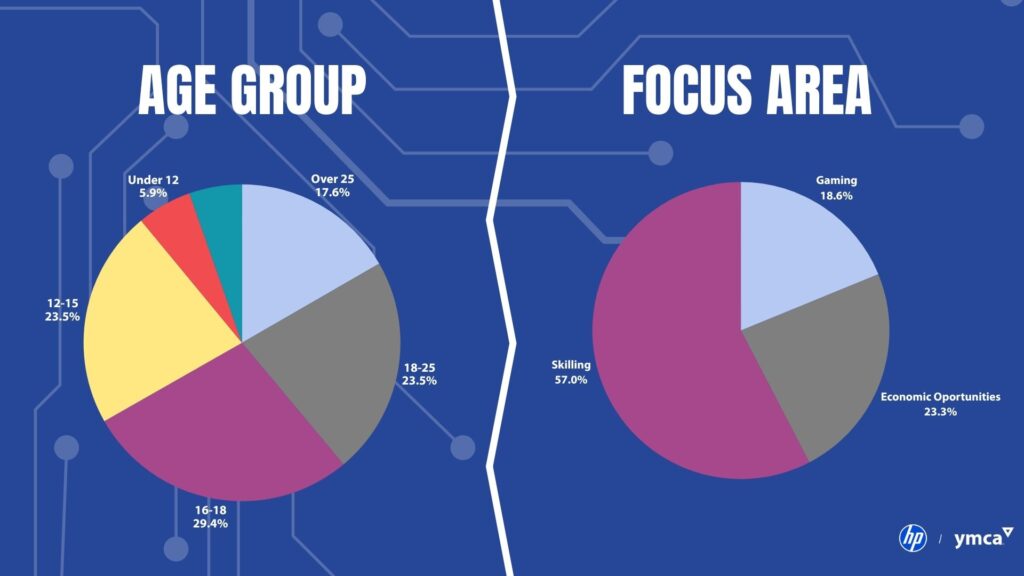
The true success of the Digital Hubs lies in the concrete outcomes of its participants, shifting individuals from passive digital consumers to active economic contributors. Our data highlights that 57% of our focus revolves around localised skilling, while 23.3% directly targets expanding immediate economic opportunities.
For youth navigating an increasingly automated job market, the hubs serve as a direct bridge to employment. For instance, in YMCA Moldova (such as Bălți and Criuleni), high-school seniors and NEET youth undergo rigorous digital literacy, advanced cybersecurity, and 2FA authentication training.
This deliberate instruction equips them with a profound, practical competitive edge, transitioning them directly from baseline digital literacy into modern corporate roles and specialised apprenticeships.
Moreover, in hubs across the region, aspiring innovators are utilising HP LIFE courses to transform ideas into viable livelihoods. At the Digital Hub in the YMCA Zaporizhja region, Ukraine local trainers implemented the specialised curriculum “I CAN DO IT!”.
By giving young leaders access to state-of-the-art computing power and targeted AI tools, coordinators noted that the hub effectively “shortened the path from an idea to a ready-made start-up and significantly lowered the threshold of entry into the creative and IT industries,” empowering the next wave of local business owners.
Equipping Youth for the Workforce of Tomorrow
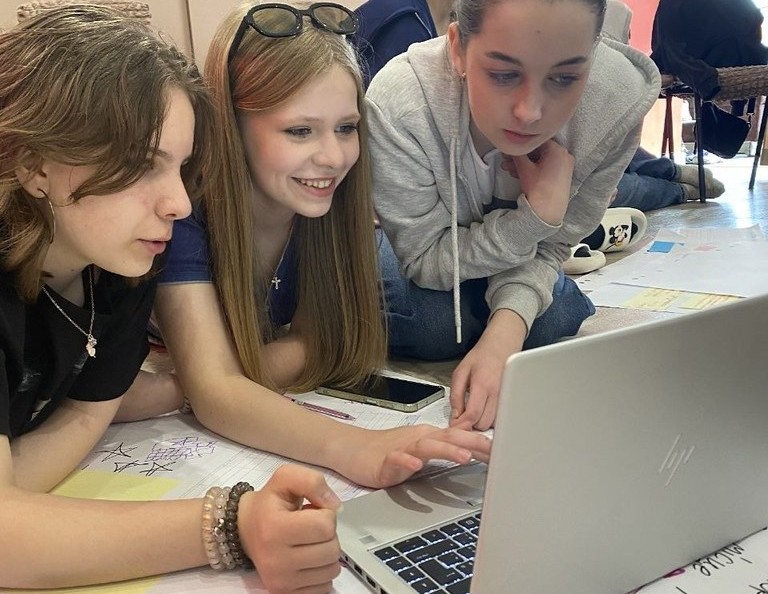
The cost of leaving this generation behind has never been higher. Current European labour market dynamics reveal a stark divergence: high-skill, digitally-fluent roles are expanding rapidly, while routine and mid-skill roles continue to stagnate or disappear. This shifting landscape disproportionately penalises young people lacking structured access to technology, compounding the urgency for systemic action.
Digital Hubs directly address both sides of this economic equation. Rather than forcing a one-size-fits-all approach, it simultaneously drives employability and entrepreneurship. By maintaining a sharp curriculum that updates alongside market realities, such as incorporating AI literacy, STEAM (5.7% of solutions), and digital well-being.
The hubs ensure that local youth do not just find jobs today, but remain resilient, ready for the workplace of tomorrow, and with the tools necessary to face an uncertain future.
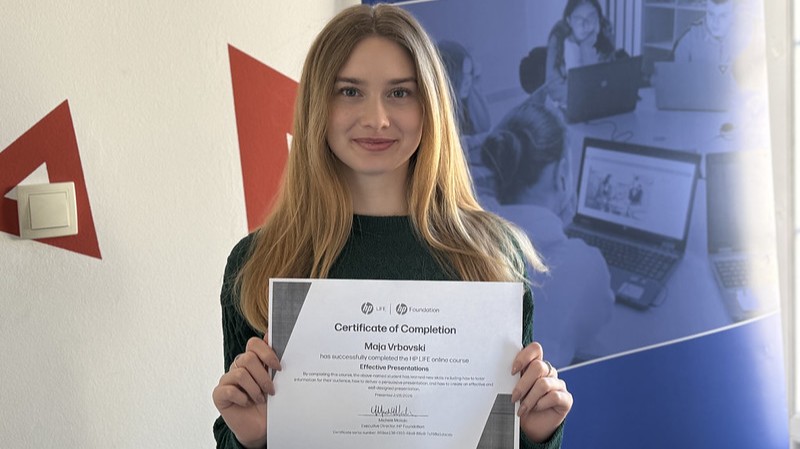
All is what is possible when world-class technology partners bring industry-leading hardware and educational resources directly to where young people already are. Individual stories of transformation prove that systemic digital inclusion is entirely achievable when corporate expertise aligns with deep-rooted community trust.
To close the European skills gap entirely, we must scale this model further. We invite forward-thinking policymakers, municipal leaders, and regional funders to join us in expanding this vital infrastructure.
Take Action: Join us in expanding digital opportunities across Europe. Complete our Application Form to submit your project and explore how we can support your work.