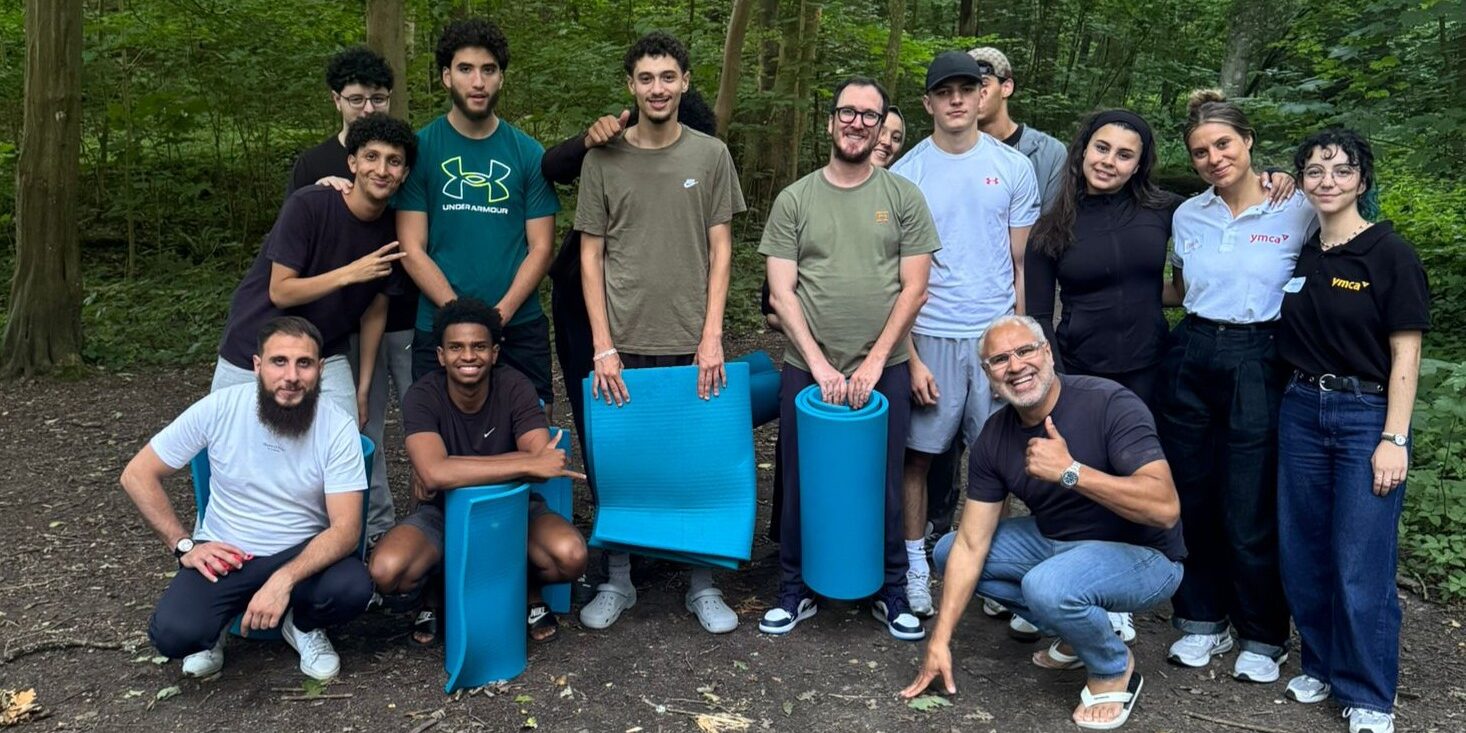
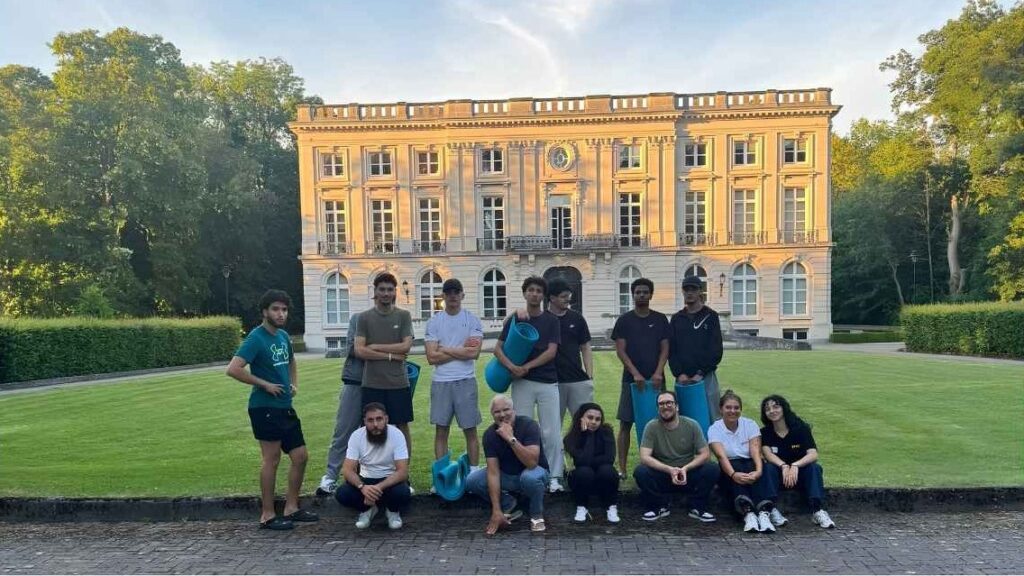
On July 3, 15 young adults gathered near the quiet canopy of Brussels’ Sonian Forest, laid down their smartphones, and asked a critical question: “Am I using my device, or is it using me?”
Organised by YMCA Europe in collaboration with Generation Future as Activity A4.2 of the Erasmus+-funded OASIS project (WP4), this Digital Wellbeing Weekend Retreat offered youth aged 18 to 30 an immersive space for personal growth. Rather than imposing rigid bans, the retreat focused on fostering a mindful, intentional relationship with technology. Through a guided journey of self-discovery, participants moved from auditing their digital habits and identifying emotional triggers to building practical boundaries, aligning screen time with core values, and envisioning wider community change.
The impact resonated deeply with participants, with one attendee reflecting on how the experience shifted their perspective: “We had the opportunity to disconnect, and connect with our environment and the people around us. After leaving the retreat, it was challenging to get back on the phone. It really was effective in cultivating digital mindfulness and realising the systemic aspect of digital networks, the effect it has on our mental well-being, and the moments we miss while on our phones.”
Unmasking the Mind Behind the Screen
Rather than relying on rigid rules or digital bans, the story of the retreat unfolded as an experiential journey designed around the participants’ direct personal growth. The experience began by establishing a clear baseline awareness, as participants used a Digital Use Log to check their weekly screen time and pick-up frequencies to spot their personal usage patterns.
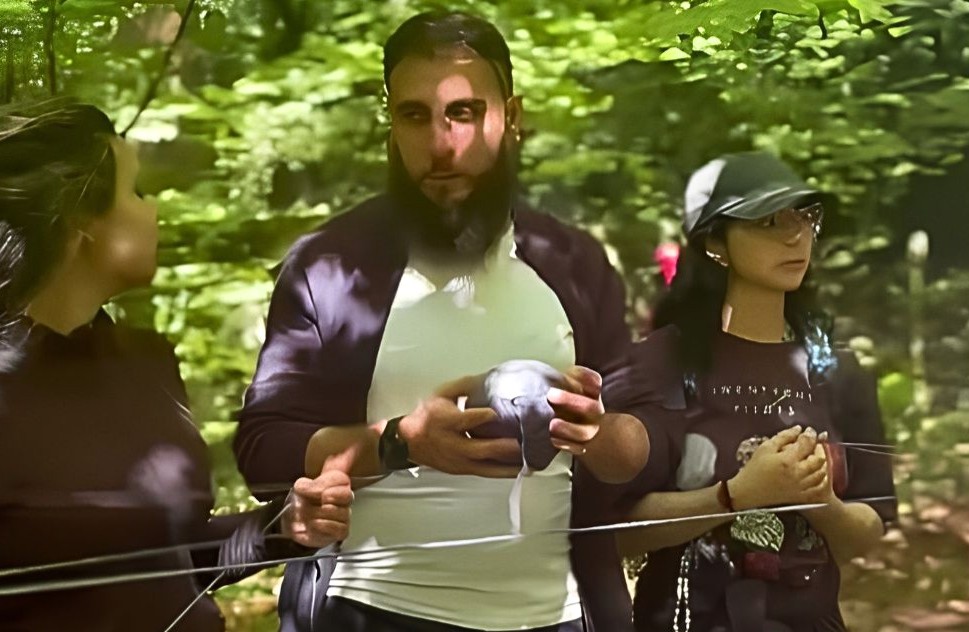
The journey began with participants holding up a mirror to their routines through the Digital Use Log, examining their screen time, notification volume, and morning/evening phone habits to notice automatic patterns without judgment. Moving deeper into the emotional triggers behind tech use, facilitators led a physical yarn exercise (“Is my Screen my Mirror?”).
Standing in a circle, youth passed a ball of yarn to one another while sharing the feelings of stress, loneliness, or boredom that prompt them to reach for their phones. As the thread unspooled into a complex web, it visibly represented the shared emotional roots of compulsive scrolling; unravelling the web required reflecting on how they felt after screen use, sparking open conversations on healthier coping strategies.
Connecting Values to Vision and Policy
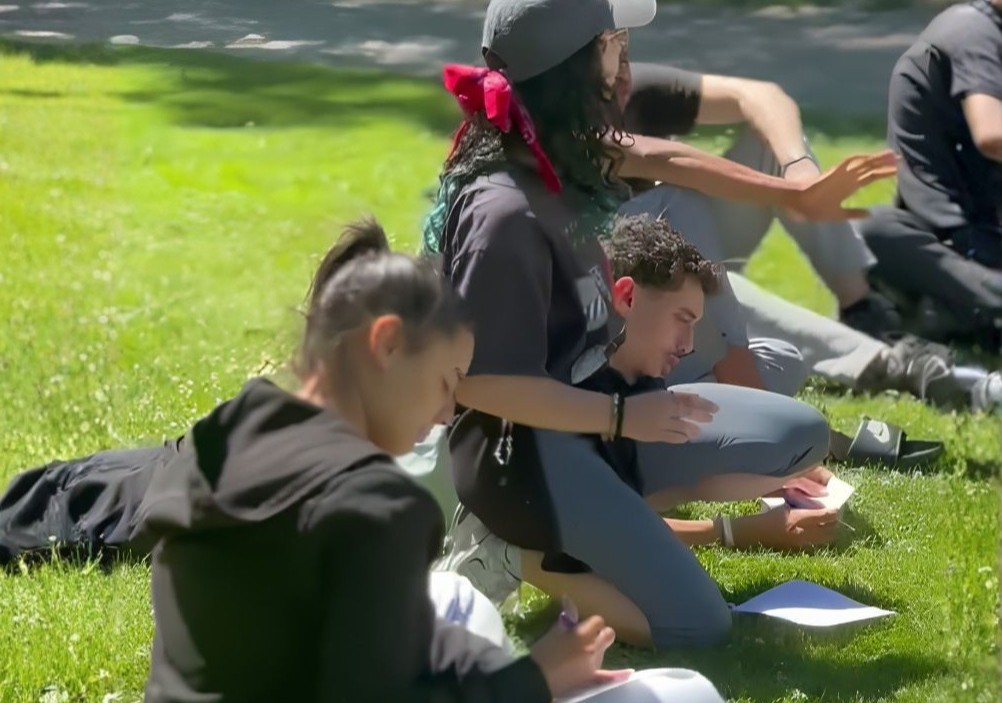
To ensure long-term impact, participants took part in a Vision Board session, aligning their daily tech choices with their core personal values—like friendship, creativity, or growth—so technology actively supports their life goals rather than distracting from them. To close the retreat, youth stepped into the shoes of community leaders in a dynamic Policy Pitch activity.
Role-playing as parents, educators, local authorities, and private sector leaders, they co-created realistic recommendations for healthier digital environments in schools and youth centres.
As another participant shared, “The activity was simple and powerful… it succeeded in making me decide to change my screen habits deeply”.
Empowering Youth to Shape Healthy Digital Environments
For youth leaders, educators, and non-profit organisations, the OASIS retreat highlights several strategic insights for future programming—echoed by one participant who shared that the experience “really changed my vision of my habits with my phone.”
Young people rarely reach for their phones purely for pleasure; screen use often functions as a default response to stress or social pressure. This means that addressing emotional needs and fostering intrinsic motivation yield far better outcomes than enforcing screen bans. Furthermore, youth show a clear eagerness to design their own digital boundaries when given true ownership, and the non-formal education frameworks tested during Activity A4.2 offer scalable, actionable models for schools and youth centres seeking to foster long-term digital well-being.
As digital spaces continue to shape daily life, initiatives like the OASIS project demonstrate the power of dedicated reflection and personal growth.
YMCA Europe remains proud to champion these transformative retreats, providing the structure young adults need to turn technology from a source of distraction into a tool for genuine connection. Through dynamic facilitation by Generation Future, the program successfully brought together an inspiring cohort of young leaders to explore mindfulness and digital agency.
Gatherings like this prove that a healthier digital future begins by equipping youth with the tools to reclaim their time, attention, and well-being