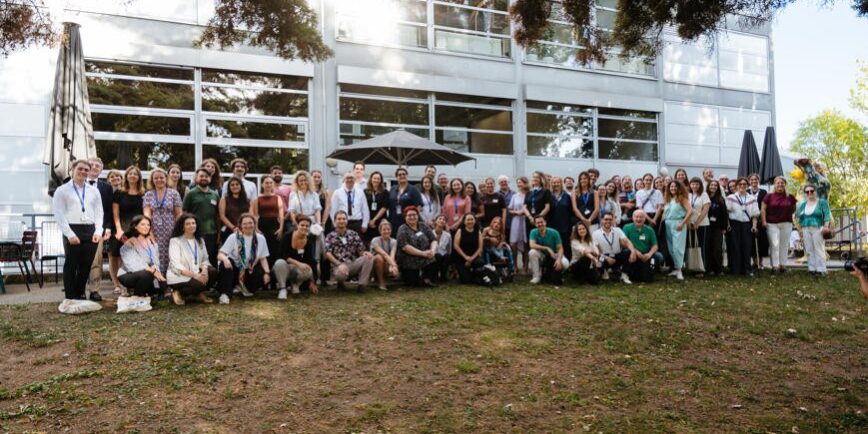
YMCA Europe brings young people’s lived experiences to the Council of Europe Research Symposium.
From 15 to 17 September, the Council of Europe (CoE) Research Symposium “Young People’s Access to Social Rights” brought researchers, policymakers and youth advocates together at the European Youth Centre Strasbourg.
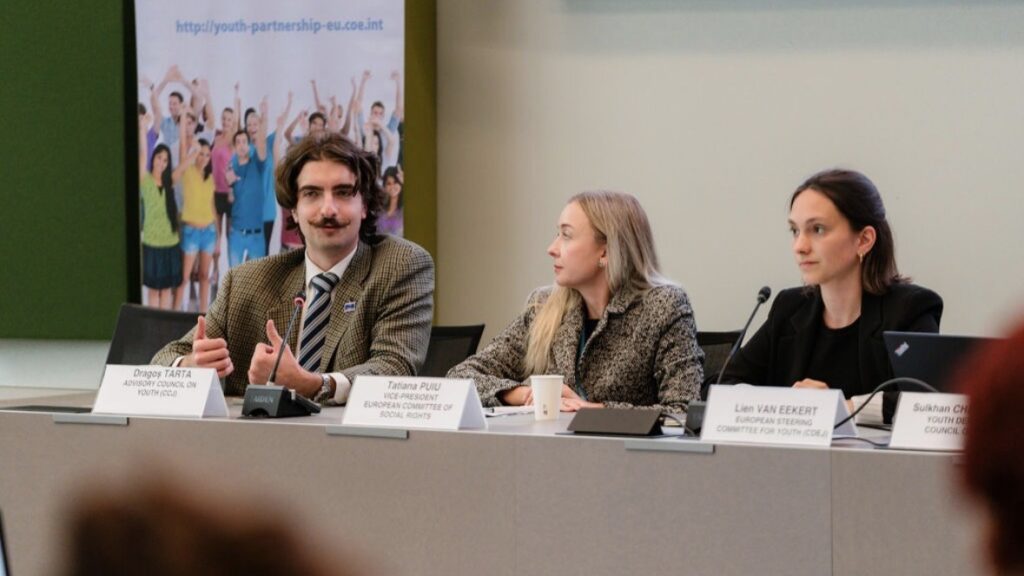
YMCA was represented by Dragoș Tarța, YMCA Europe`s Advocacy Officer and member of the CoE`s Advisory Council on Youth, who contributed to the 16 September panel on the Council of Europe’s ENTER Recommendation.
The symposium examined the barriers that continue to limit young people’s access to social rights across Europe: social protection, public services, participation, digital rights, health and education, employment and housing. It also centred the realities of young people facing extreme exclusion, including migrants, care leavers, Roma youth and young people affected by displacement.
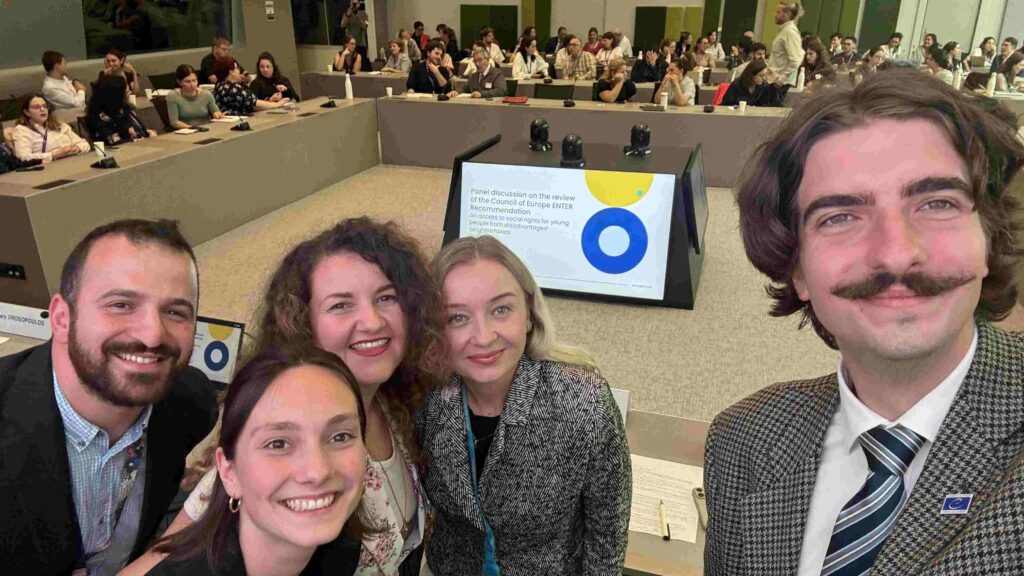
By connecting research with policy dialogue, the event created space to consider how institutions and civil society can turn existing commitments into meaningful change.
For the YMCA, participation was about more than contributing to a panel. It was an opportunity to represent the experience of a network that works with young people in communities across the continent, and to ensure that the realities reported by our member movements are part of European policy conversations.
YMCA Europe brought the perspectives of young people and the evidence from its 2026 Youth Wellbeing Report into dialogue with decision-makers, researchers and other youth-sector actors.
The discussion on the ENTER Recommendation was especially relevant. The Recommendation provides guidance on ensuring young people’s access to social rights, particularly for those in vulnerable situations. YMCA’s contribution underlined the need to move from policy commitments to national and local measures that young people can actually access and use.
Screenshot
This means listening to lived experience, recognising the barriers young people face, and investing in inclusive services and participation mechanisms.
This is where YMCA’s advocacy role matters. As a European network, we can connect local realities with decision-making at a regional level, bringing grassroots knowledge into spaces where standards, recommendations and public priorities are shaped.
Representation at the symposium therefore strengthened YMCA’s ability to advocate for social rights that are practical, inclusive and accountable to young people.
As the symposium moves into its follow-up phase across Council of Europe member states, YMCA Europe will continue to work with its member movements and partners to keep young people’s access to social rights high on the policy agenda. The message from Strasbourg was clear: young people must not only be the subject of research and policy, but active contributors to the decisions that affect their lives.