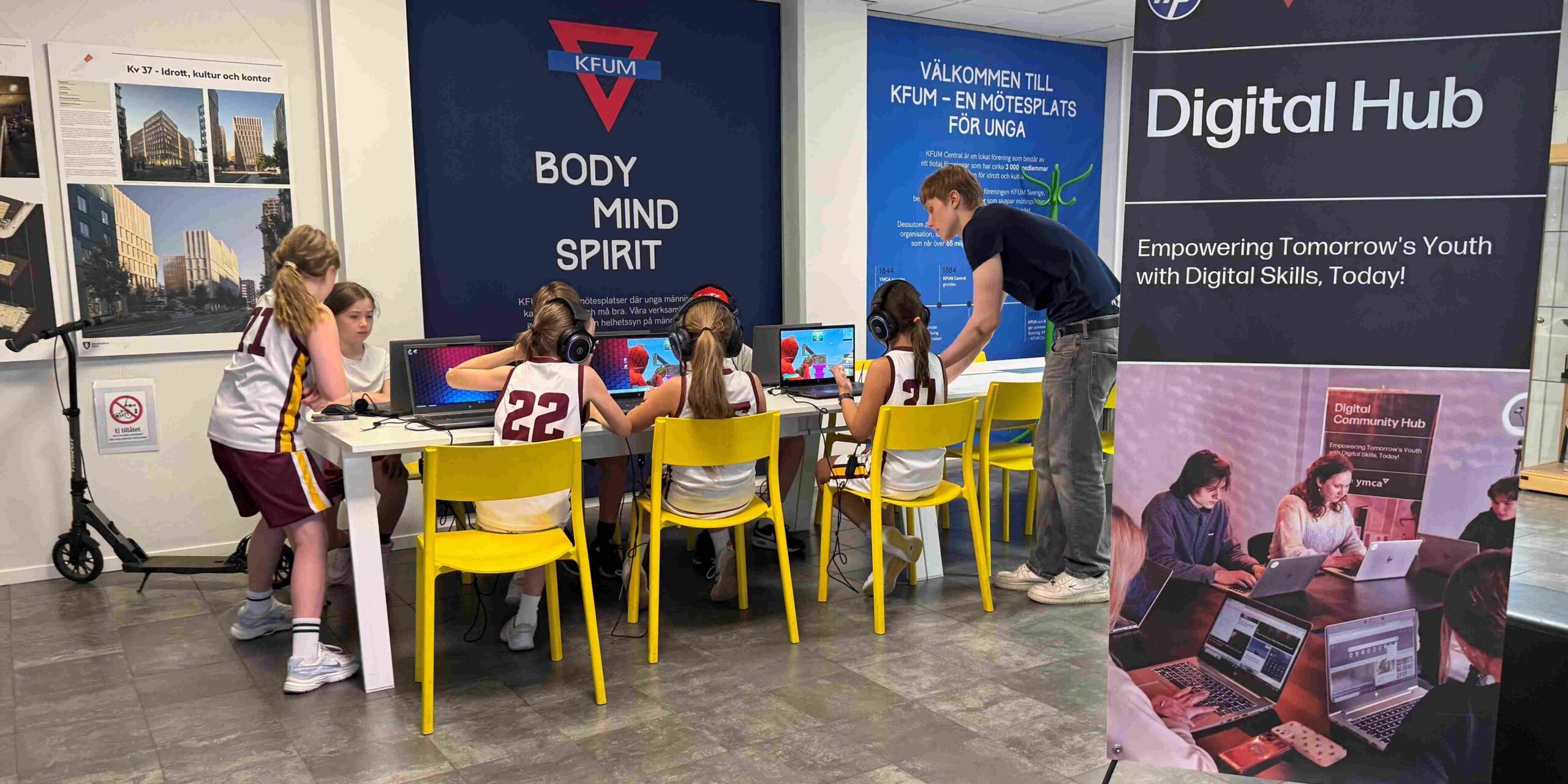
From artificial intelligence and digital creativity to employability and entrepreneurship, the HP–YMCA partnership is helping communities turn access to technology into opportunities.
What happens when technology reaches the hands of local organisations that understand their communities?
In Finland, people with no previous coding experience are discovering artificial intelligence. In the Czech Republic, children are moving from playing games on computers to creating their own technical projects. In France, young adults are developing the digital skills they need to enter the workforce.
Different communities, different needs, but one shared ambition: turning access to technology into opportunities for learning, confidence and growth.
And the latest results from YMCA Digital Hubs powered by HP show just how far this work is reaching.
151,915 people reached in just three months
Between August and October 2026, the YMCA Digital Hubs network reported:
- 151,915 direct beneficiaries, including 149,369 youth and adults, 1,288 entrepreneurs and aspiring entrepreneurs, 1,004 educators and 254 on-demand workers.
- 644 active Digital Hubs across 25 countries.
- 51 YMCAs engaged in delivering digital opportunities.
- 50,561 hours dedicated to Digital Hub activities.
- 190 additional laptops distributed during the quarter.
Together, these figures demonstrate the scale of a network that connects technology with community-based learning.
But the number of people reached tells only part of the story. The activities taking place inside these Digital Hubs reveal why access matters and how local YMCAs are turning digital resources into practical opportunities.
From digital access to future skills
As technology continues to transform how we learn and work, digital inclusion is increasingly about more than knowing how to use a computer. It is also about having the confidence and opportunity to explore emerging technologies, create and develop new skills.
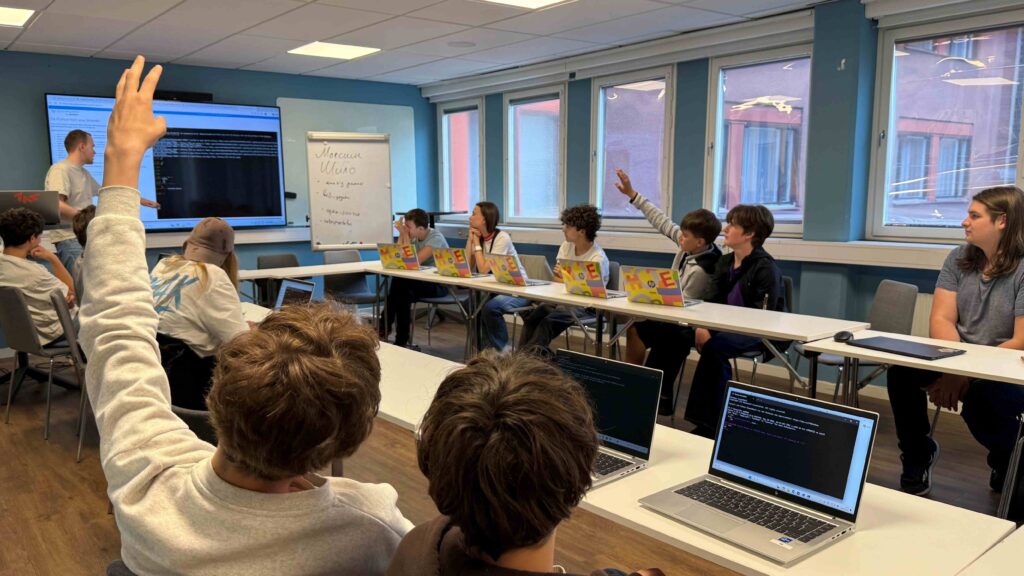
In Helsinki, Finland, YMCA organised AI Lounges where beginners and more experienced participants explored artificial intelligence and AI-assisted coding. The activities also opened conversations about how AI can support everyday life, including parenting and language learning.
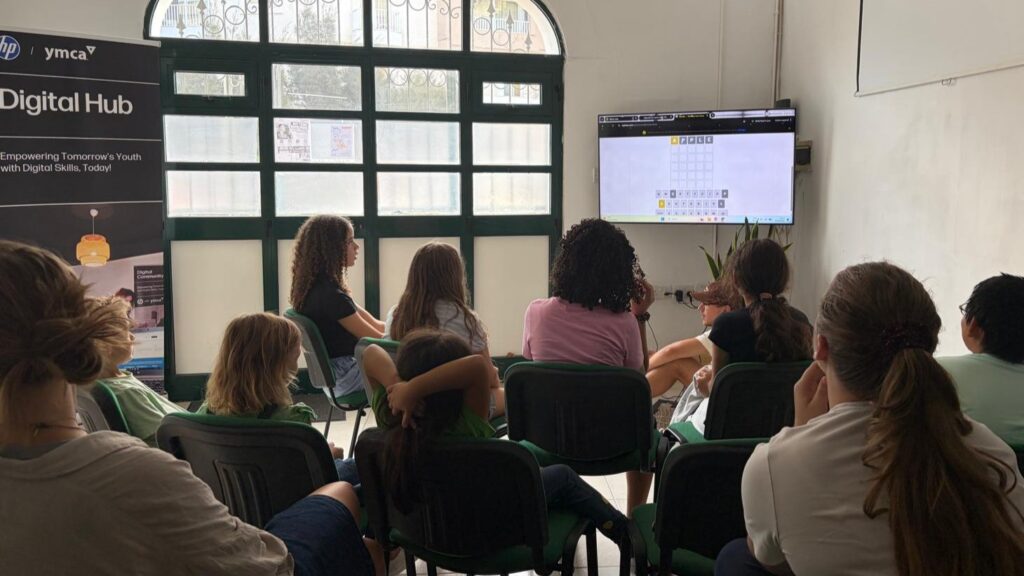
In the Czech Republic, children attending YMCA’s Young Technician Course in Tlučná progressed from needing help with basic computer tasks to independently following online tutorials, solving problems and helping younger participants. These experiences illustrate how Digital Hubs are helping people move from simply using technology to exploring, creating and developing skills for an increasingly digital future.
Digital skills that respond to real community needs
But digital inclusion is not only about preparing for the future. It is also about helping people navigate the challenges and opportunities they face today.
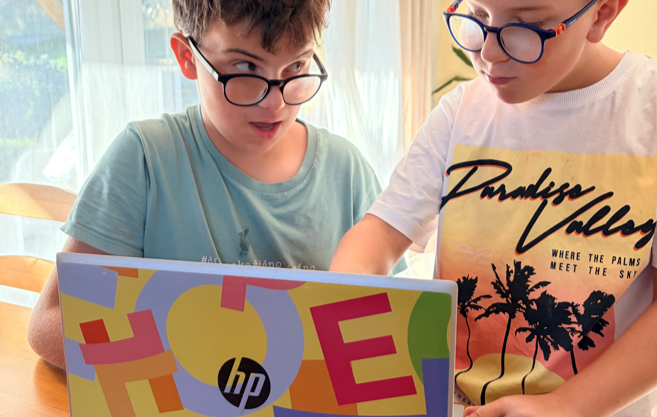
In Villeurbanne, France, a young adult with limited digital experience learned to navigate online job applications and prepare a professional cover letter, developing practical skills to take the next step towards employment.
Meanwhile, in Belgium, the Digital Native hub is working with women involved in sewing and creative activities to develop a learning pathway combining basic digital literacy and digital marketing. Supported by Fatimazahra, a participant who helped connect the group with the Digital Hub, the initiative aims to help women eventually promote and sell their handmade products online.
Whether supporting someone looking for employment or helping women explore new economic opportunities, these initiatives demonstrate how digital learning becomes more meaningful when it connects directly with people’s lives, needs and ambitions.
The value of a connected European network
Behind these achievements is a partnership that combines HP’s technology support, YMCA Europe’s coordination and the experience and commitment of local YMCAs.
This approach goes beyond providing equipment. It enables local organisations to transform technology into accessible learning opportunities, tailored to their communities, while benefiting from a wider European network where ideas, resources and experiences can be shared.
The quarter 4 results demonstrate what becomes possible when investment in technology is combined with trusted community organisations and sustained opportunities for learning.
More than 150,000 people reached in three months is a significant collective achievement. But perhaps the greatest value lies in the diversity of opportunities behind that figure: a young person learning to code, an adult preparing for employment, or a community exploring how technology can support their ambitions.
Because the value of a Digital Hub is not simply in the devices it provides, but in what people are able to do with them.
*Results cover August–October 2026 and are based on quarterly reporting from the YMCA Digital Hubs network powered by HP.