What does it take to turn a successful youth project into lasting change, and how can civil society organisations become stronger, more inclusive and sustainable spaces for young people?
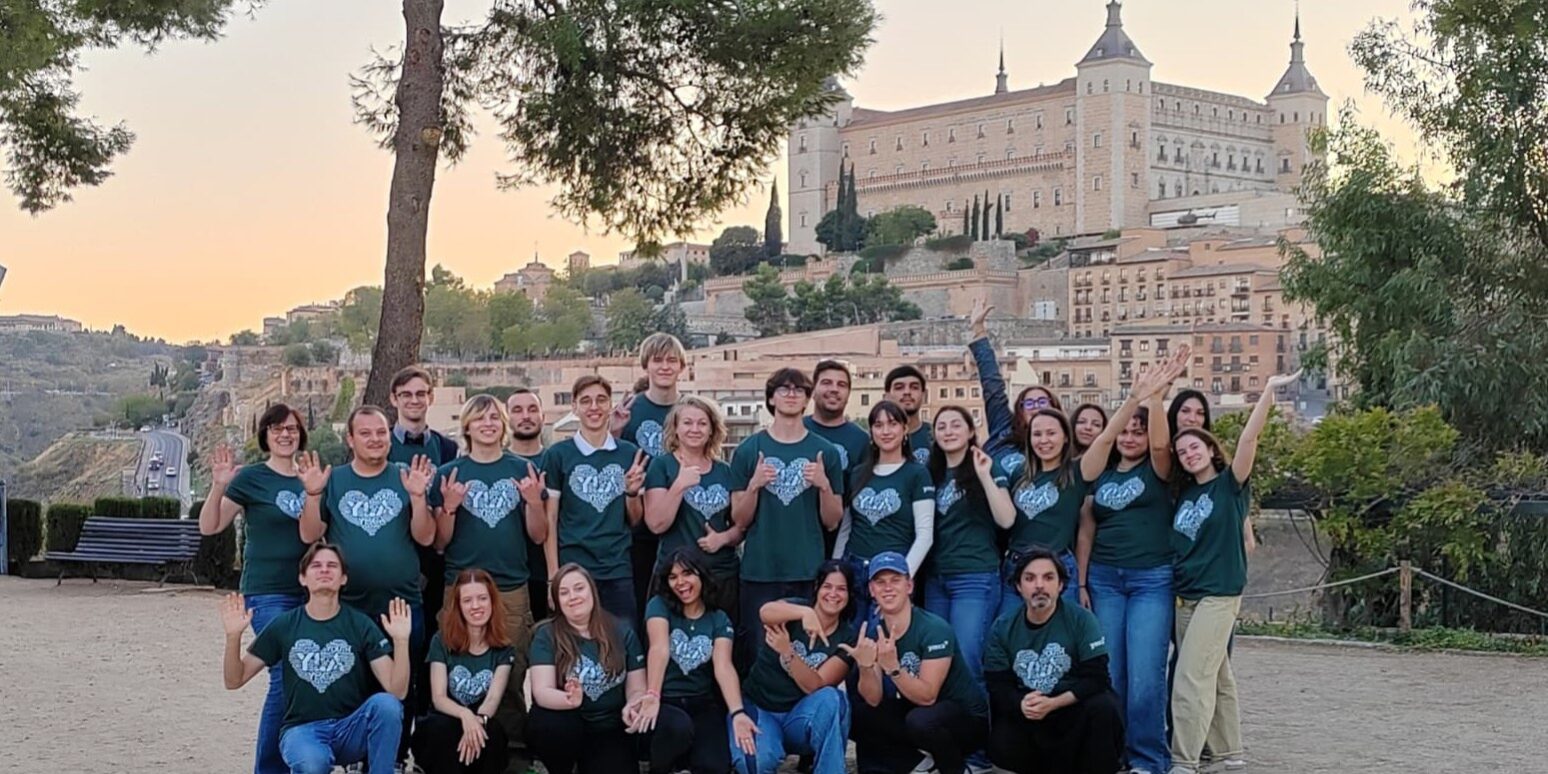
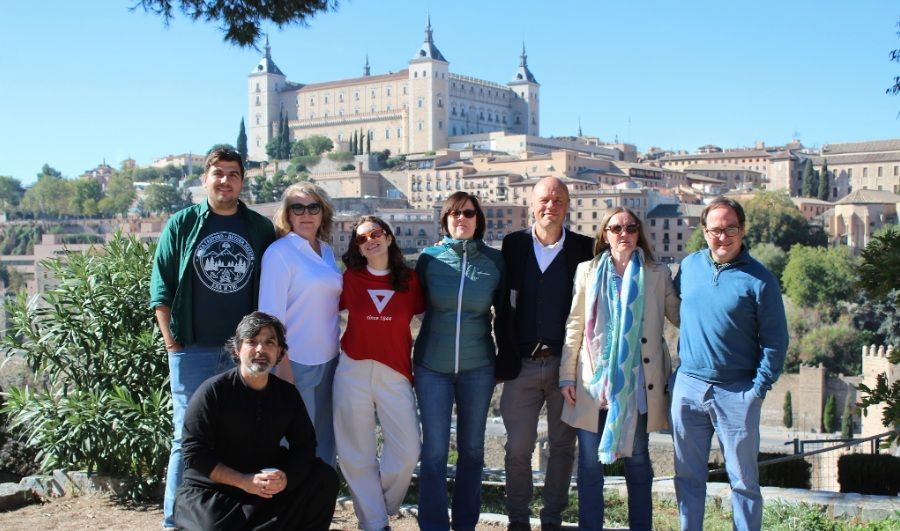
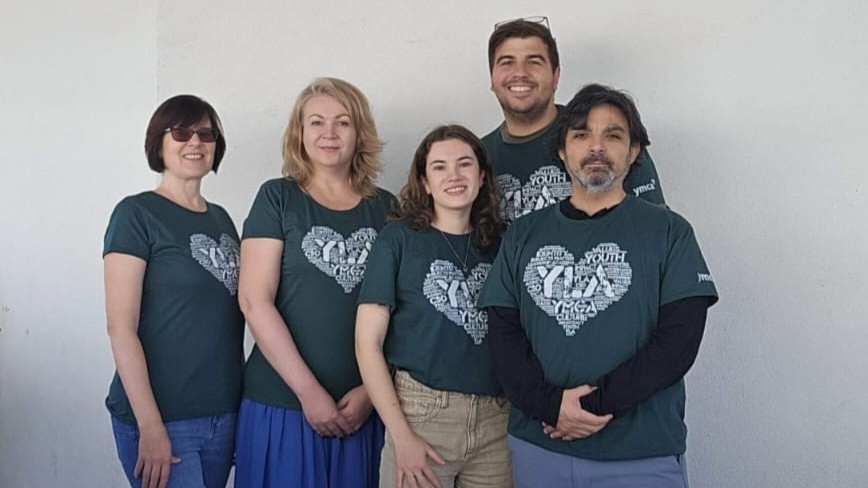
These were some of the questions at the heart of the second international activity of the YMCA Europe Leadership Academy: Subjects Matter, which brought together 22 young leaders from sixteen countries in Toledo, Spain, from 25 to 30 October 2026.
Following the first international activity, which focused on personal agency, inclusion and diversity, the second gathering took participants one step further: from individual capacity-building and community action towards organisational sustainability, partnerships and long-term impact.
The meeting brought together 22 participants from across the YMCA movement, creating an opportunity to reconnect, exchange experiences, reflect on the projects implemented since the previous activity and explore how their organisations can continue growing as spaces for youth participation and empowerment.
“It’s a one in a million opportunity that I suggest to everyone. The good energy, the ideas, and the ambition of everyone to create a better community is inspiring” – Ola Zuka, Kosovo
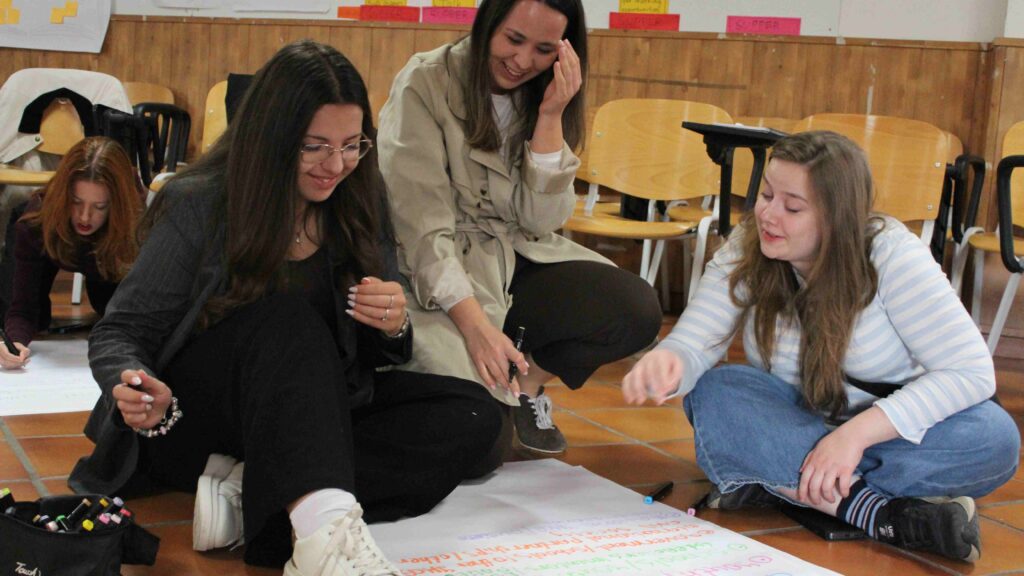
Learning from Action: Celebrating Successes and Mistakes
An important starting point in Toledo was looking back at what participants had achieved since the first activity.
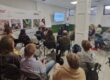
Through a series of presentations, participants shared the results of their community projects, explaining the needs they had identified, the activities they had organised, the people they had reached and the changes they had observed.
The projects addressed a wide range of issues affecting young people and their communities, including mental health, social inclusion, media literacy, discrimination, volunteering, healthy lifestyles, youth participation and intercultural dialogue.
From football tournaments bringing different communities together to workshops on overcoming stereotypes, media literacy activities and initiatives supporting young people’s wellbeing, the presentations demonstrated the diversity of ways in which YMCA organisations can respond to local needs.
But the focus was not only on celebrating achievements. Participants were also encouraged to share their mistakes and challenges openly.
The format invited everyone to name one success and one mistake worth celebrating. This created an opportunity to recognise that learning does not happen only when everything goes according to plan. Challenges, unexpected outcomes and things that could have been done differently are equally valuable parts of project development.
The presentation about YMCA Spain and a study visit to YMCA Toledo served as a remarkable opportunity to learn from the example of a big impact and excellent management.
“I have learned a lot useful information that will help me make an impact, and I have met most kindest and amazing people that I can now call my friends” – Miroslav Koščák, Slovakia
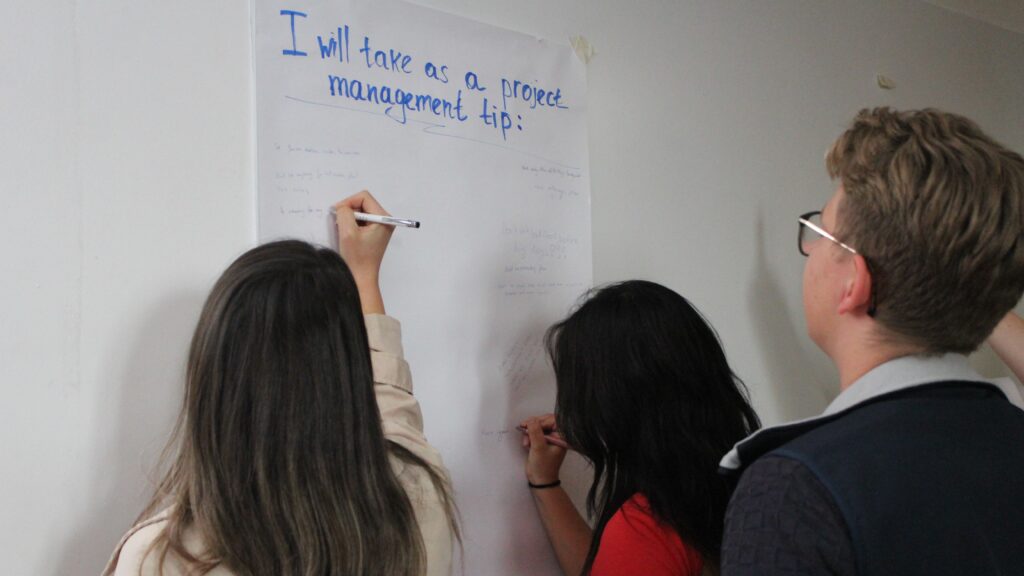
Building Sustainable Organisations
A key theme throughout the activity was sustainability. Participants explored what makes an organisation sustainable, looking beyond financial resources to consider the people, knowledge, values, partnerships and organisational culture that allow civil society organisations to continue their work and develop over time.
One of the sessions connected personal values with organisational sustainability.
Through individual reflection and discussions in pairs, participants explored their own values and how these influence their leadership, relationships and decisions.
The group then examined organisational sustainability through three interconnected dimensions:
- Body: people, funds and physical assets.
- Mind: knowledge and organisational capacity.
- Spirit: values and organisational culture.
Participants reflected on how these elements influence the everyday functioning of their organisations and how shared values can provide direction, strengthen teamwork and support meaningful collaboration.
The discussion continued with an exploration of organisational culture, inviting participants to look at their own organisations through creative portraits and identify both visible and less visible elements shaping their identity.
“YLA was the best experience in my life so far, it pushed me outside of my comfort zone, it taught me so much about myself and gave me ideas and hope for my future. Thanks to YLA I had the chance of doing things I wouldn’t have done otherwise, like being so open about my mistakes and being able to celebrate them as part of the learning experience, it gave me the opportunity of finding out what kind of person and leader I can be when I am far away from what I am used to. It gave me the opportunity to reflect about my values, about who I am, who I want to be and how I want to change. I feel like this experience deeply changed me in all the best ways and I feel grateful to have been given this opportunity. ” – Elena Piangatelli, Italy
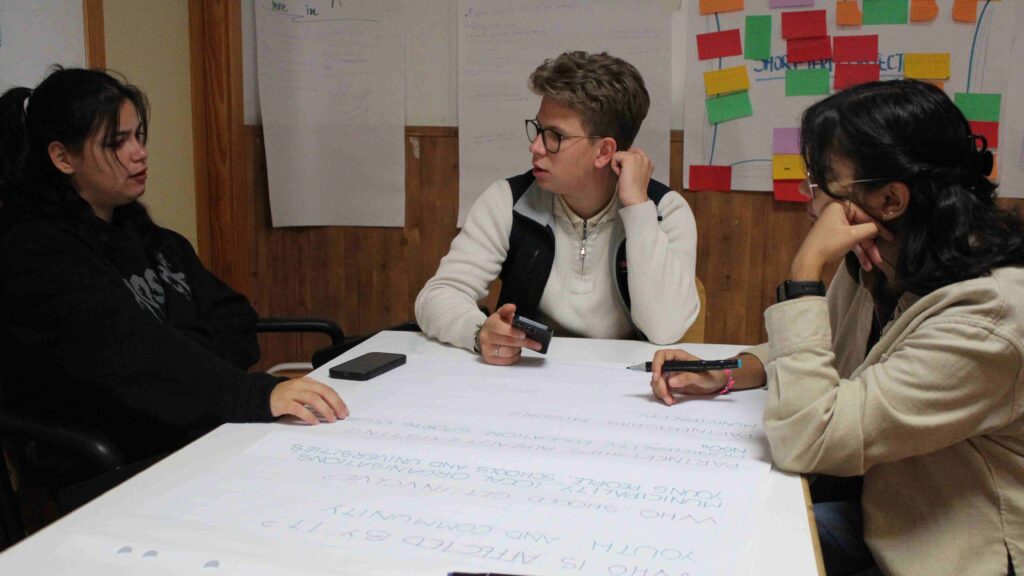
Partnerships: Creating Change Together
Sustainable community work rarely happens in isolation.
During the activity, participants explored how different stakeholders contribute to addressing community challenges and why meaningful partnerships are essential for creating lasting impact.
Working in small groups, they examined challenges such as youth unemployment, social isolation, mental health, discrimination, rural isolation and limited youth participation in decision-making.
They mapped the people and organisations affected by these challenges, identified existing partnerships and considered which connections were still missing.
The discussions encouraged participants to look beyond their immediate organisational environment and recognise the potential contributions of municipalities, schools, universities, local businesses, other civil society organisations, volunteers and young people themselves.
The following session explored the funding ecosystem. Instead of approaching fundraising simply as finding organisations that provide money, participants considered the wider network of resources, relationships and contributions needed to make a project possible.
They explored their own, public and private funding sources and reflected on how partnerships can provide much more than financial support.
Measuring What Really Changes
Another important part of the programme focused on impact measurement.
Participants revisited the differences between outputs, outcomes and impact, exploring how organisations can understand and demonstrate the changes their activities create.
Through practical case studies, they investigated different types of evidence, from attendance figures and surveys to interviews, testimonials, reflection journals and participatory evaluation methods.
The sessions highlighted that counting the number of participants or activities is not enough to understand the full value of a project. Organisations also need to listen to people’s experiences, recognise changes in their lives and involve communities in evaluating what matters.
This approach encouraged participants to see evaluation not simply as a reporting requirement for funders, but as an essential tool for learning, improving projects and planning future action.
Looking Towards the Future: Governance, Continuity and Digital Tools
The final part of the activity turned towards the structures that enable organisations to remain strong in the long term.
Participants explored governance, the roles and responsibilities of governing bodies, checks and balances, and the importance of clear organisational structures.
They also discussed succession planning, continuity and knowledge transfer: how organisations can prepare future leaders, preserve institutional knowledge and ensure that their work does not depend on only a few individuals.
The programme also addressed the opportunities and challenges of digitalisation. Participants explored practical digital tools, artificial intelligence, digital ethics, cybersecurity and digital wellbeing, sharing experiences and solutions that could support their organisations.
Alongside the structured learning sessions, peer exchange and informal conversations remained an important part of the experience. The programme created space for participants to learn from one another, share perspectives from different national contexts and strengthen relationships across the YMCA movement.
“This was the best event I attended in my life, and it will be hard to top it, it was a once in a lifetime opportunity” – Anonymous feedback
The project is co-funded by the European Youth Foundation.
Leadership Academy is the project aiming at strengthening movements in emerging leadership development.