Students at the Faculty of European Studies of Babeș-Bolyai University in Cluj-Napoca are getting a closer look at how European youth policy works in practice through the YMCA Students Programme, developed in partnership between YMCA Europe and the Faculty.
The programme continues during the 2026–2027 academic year, connecting academic studies in European affairs with practical experience in advocacy, communications, research and project development.
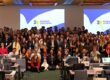
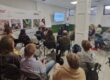
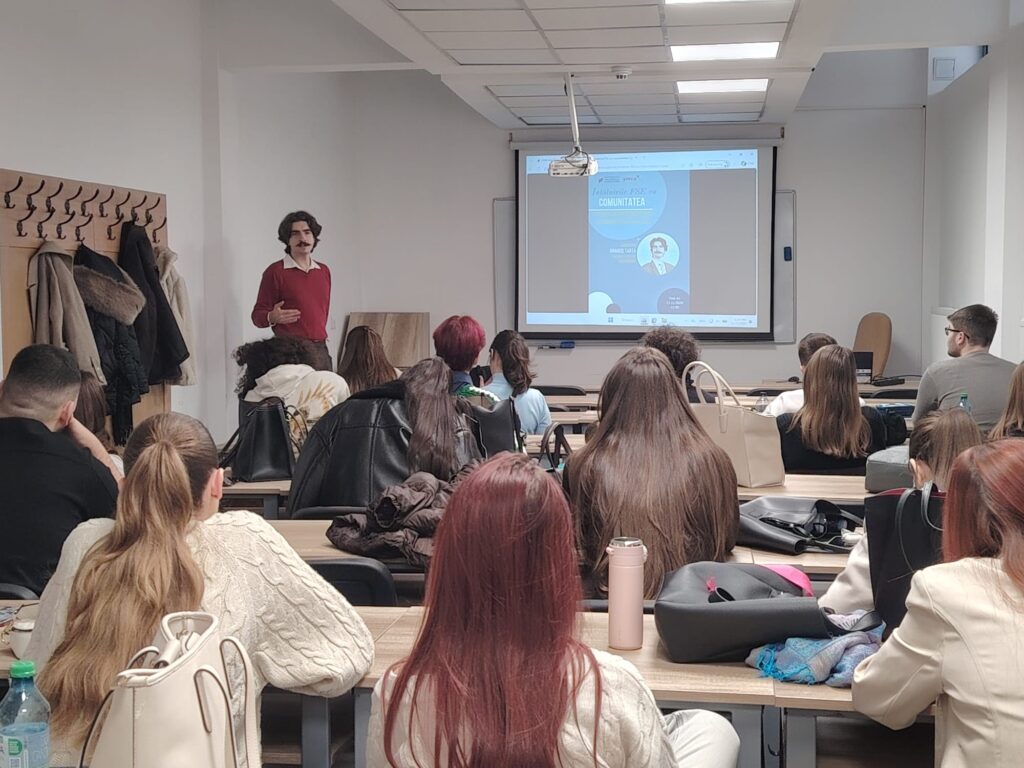
As part of the new programme cycle, Dragoș Tarța, Advocacy Lead at YMCA Europe, delivered a session introducing students to the main mechanisms through which young people and youth organisations can participate in European policy processes.
From studying European policy to understanding how it works
The session explored how young people’s perspectives move from local and national contexts into European decision-making.
Students were introduced to mechanisms including the EU Youth Dialogue, the President’s Youth Advisory Board, the European Youth Forum and the Advisory Council on Youth, and examined how these structures provide different routes for young people and youth organisations to contribute to policy discussions.
The focus was not only on what these mechanisms are, but on how they connect.
Meaningful youth participation depends on several levels working together: consultation processes, representative youth platforms, advisory structures and civil society organisations. Each provides a different point of access to European policy and decision-making.
The discussion also examined how European youth programmes and funding opportunities are developed, how priorities are set and how organisations and individuals can access the opportunities that emerge from them.
 The YMCA Students Programme in practice
The session also introduced students to the YMCA Students Programme for 2026–2027 and the opportunities available to become directly involved in YMCA Europe’s work.
The programme was launched through the partnership between YMCA Europe and Babeș-Bolyai University’s Faculty of European Studies to bridge the gap between academic learning and practical experience in the European youth sector.
Participating students can work alongside YMCA Europe teams and contribute to areas including advocacy, research, communications and project development, while gaining practical experience of how an international youth organisation operates.
The programme model was designed to involve Bachelor’s and Master’s students each semester, with participants working under the guidance of YMCA Europe staff and contributing to existing projects and processes.
For students interested in European affairs, this creates an opportunity to move beyond studying institutions and policies and begin working directly with the organisations and processes that influence them.
Bringing young people into our advocacy work
The programme also has a wider purpose for YMCA.
Young people should not only be the subject of youth policy. Their perspectives and expertise need to be present when priorities, programmes and advocacy positions are developed.
Through the Students Programme, participants can contribute their academic knowledge, research skills and perspectives to YMCA Europe’s work, while learning how civil society organisations engage with European institutions and policy processes.
This creates a two-way learning process: students gain practical experience, while YMCA Europe gains direct input from young people studying and engaging with European affairs.
Building the next generation of youth advocates
The partnership with Babeș-Bolyai University is therefore more than a university placement programme.
It creates a structured link between European studies, youth participation and practical advocacy, giving students the opportunity to understand European decision-making from the inside and to contribute directly to youth-focused work.
Following the introductory session in Cluj, students were invited to register for the 2026–2027 programme and explore how their knowledge and skills can contribute to YMCA’s work at European level.
For YMCA Europe, the programme is also an opportunity to strengthen relationships with universities and develop a model that can connect more young people with advocacy, policy and civil society experience in the future.