YMCA at UNESCO Digital Learning Week 2026: Connecting Global AI Policy with Community-Based Skilling
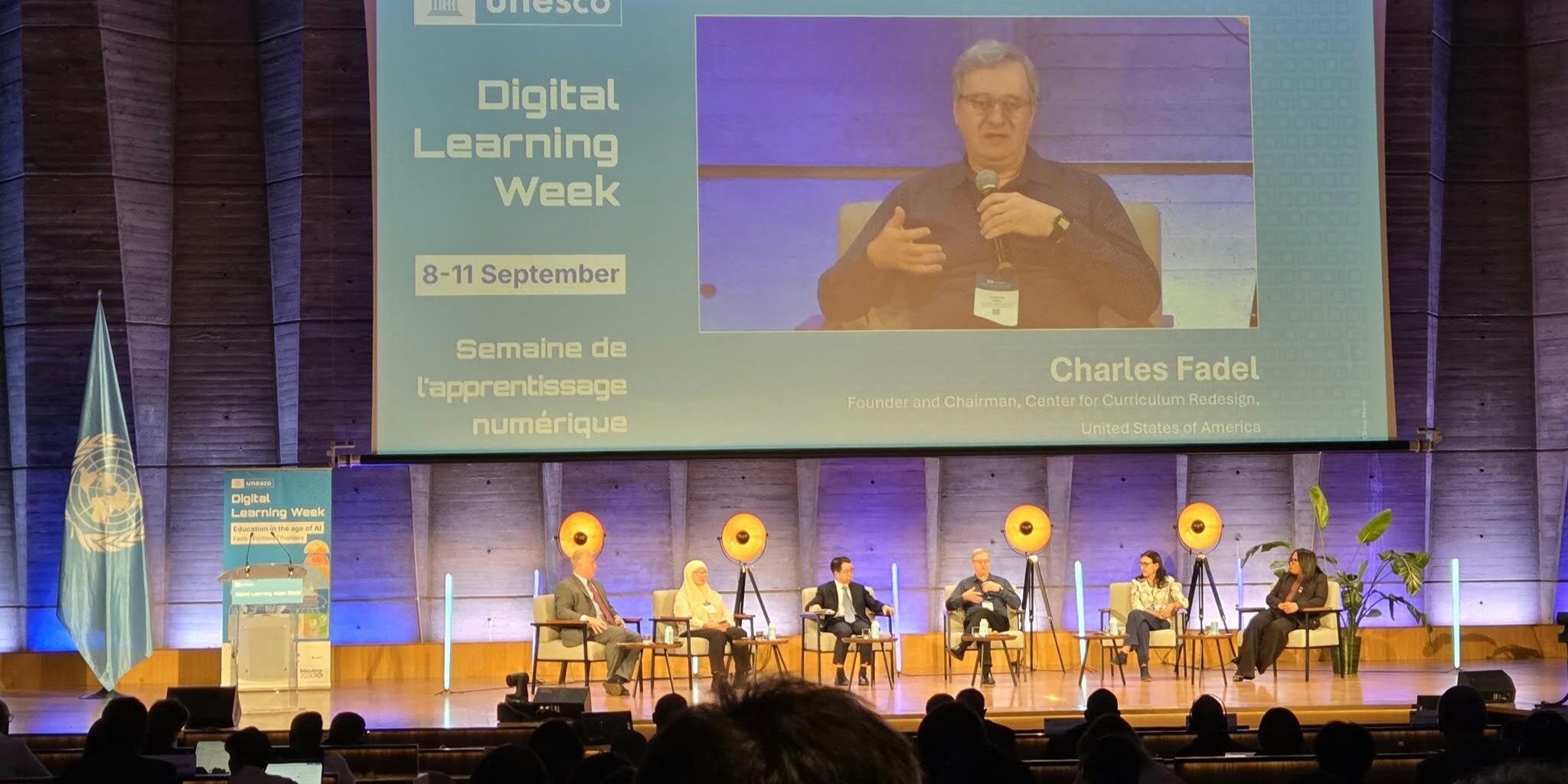
From 8 to 11 September, UNESCO brought together more than 1,500 participants in Paris and thousands more online for Digital Learning Week 2026, its annual flagship event on digital learning and the transformation of education. Ministers, educators, researchers, technology companies, civil society organisations and young people gathered under the theme “Education in the age of AI: Facts | Frictions | Frontiers.”
YMCA Europe participated in the event as part of its wider work on digital inclusion, AI skills and the future of work.
Education in the age of AI
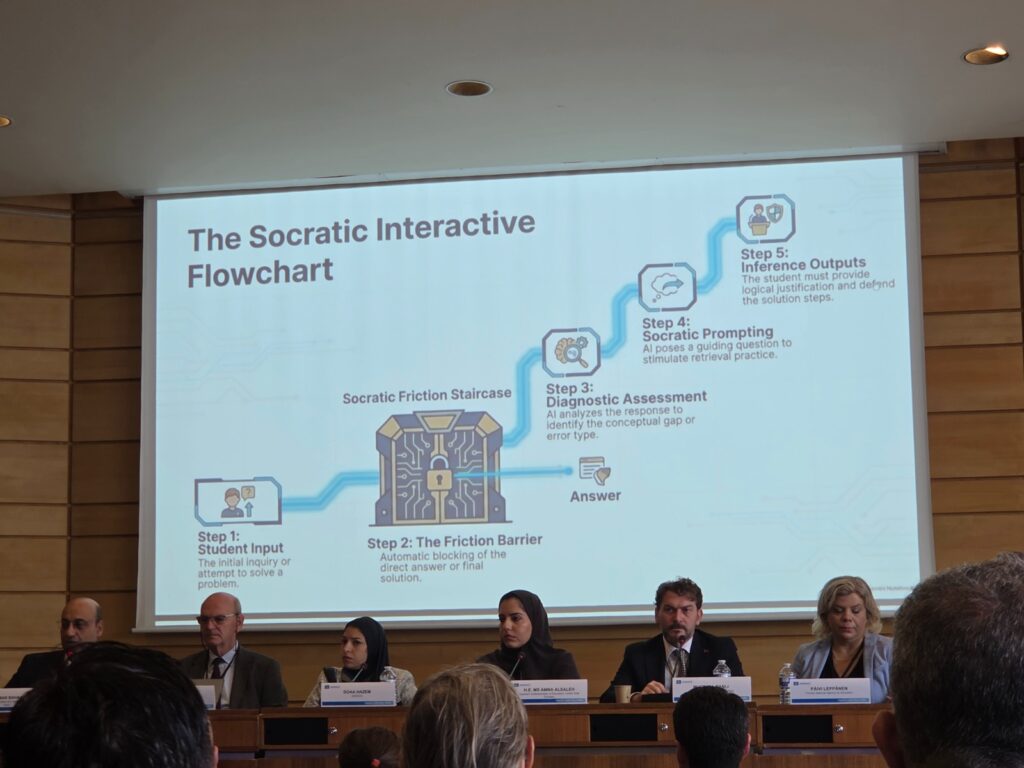
The four-day programme examined how rapidly developing AI systems are changing education, from AI tutors and synthetic content to questions around digital sovereignty, research integrity, data and public accountability.
A central message was that the debate cannot focus only on how quickly AI can be adopted. Education systems also need to consider who controls these technologies, how they affect learners and teachers, and how human agency and equity can remain at the centre.
More than 25 Ministers and designated representatives responsible for education adopted a joint statement calling for education to remain a human right and a common good in the age of AI. The statement emphasised public accountability, the rights of learners and teachers, and stronger governance around the introduction of AI into education.
UNESCO’s existing AI Competency Frameworks for students and teachers provide another important reference point. They define AI competence as more than technical knowledge, combining practical understanding of AI with ethics, critical judgement, human agency and responsible use. The student framework covers 12 competencies, while the framework for teachers defines 15 competencies across areas including AI foundations, ethics, pedagogy and professional learning.
You can find here the videos of all plenary sessions, keynote speeches and fireside chats.
Why YMCA needs to be part of the conversation
For YMCA, these discussions connect directly with what is already happening in communities.
Young people are increasingly encountering AI in education, employment, communication and everyday life. At the same time, access to devices, digital skills and trusted guidance remains unequal.
Through initiatives including YMCA Digital Hubs, local YMCAs are providing young people and communities with access to technology, digital skills training and support in understanding emerging tools.
This community-level experience matters in global policy discussions. Frameworks and recommendations can set direction, but their impact depends on whether they can be translated into practical learning opportunities that young people can actually access and use.
YMCA’s role is therefore not only to support people in learning how to use AI, but also to help them understand its limitations, risks and impact on work, education and society.
This commitment is already reflected in action. Through the Introduction to AI course, delivered with Microsoft and Founderz, YMCA Europe has helped make practical AI learning accessible at scale: nearly 3,000 people enrolled and more than 4,000 credentials were earned. Learn more about the course.
Connecting YMCA with the Global Education Coalition
YMCA Europe is currently in the approval process to join UNESCO’s Global Education Coalition, a network of more than 220 partners working across 112 countries to advance inclusive and equitable education and lifelong learning. Coalition members work together on areas including digital skills, teachers, learning in emergencies and wider education transformation.
Joining the Coalition would provide another connection between YMCA’s community-based work and international cooperation on education and digital transformation.
Participation in Digital Learning Week is part of that direction. It gives YMCA the opportunity to bring the experience of young people and local communities into global discussions, while connecting emerging policy, research and standards with practical youth work across Europe.