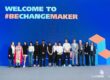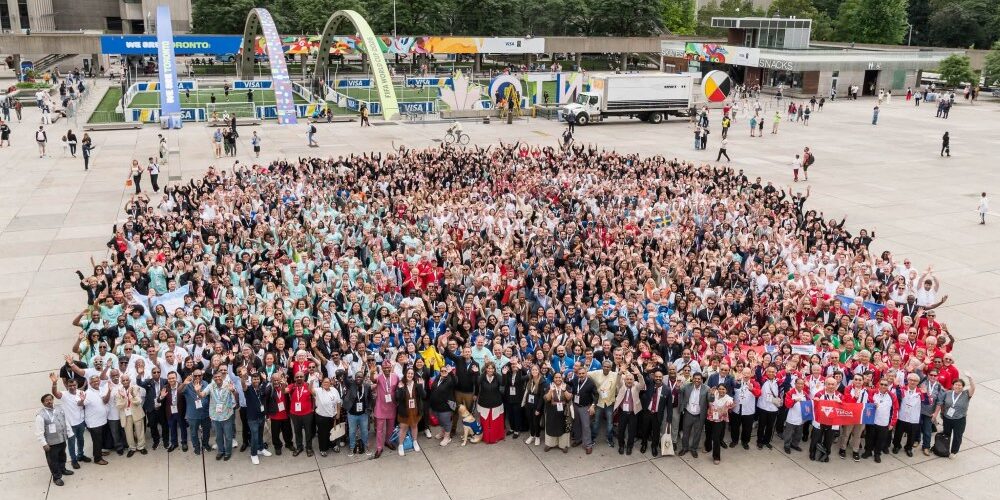
More than 1,300 YMCA leaders, young people, staff members and partners gathered in Toronto from 19 to 25 July for the 2026 YMCA World Council.
Over 240 participants came from European national and local YMCAs, reflecting the region’s strong engagement with the global movement. YMCA Europe used the gathering to contribute expertise, strengthen partnerships and agree on concrete follow-up in organisational development, migration, peacebuilding and movement strengthening.
YMCA Europe was represented by Emma Osmundsen-White, President; Juan Simoes Iglesias, Secretary General; Alina Pop, Organisational Development Director; Executive Secretaries Olga Lukina and Vardan Hambardzumyan; and Nathan Adams, Project Manager – working part time for YMCA Europe since May.
Together, they contributed to governance sessions, workshops, panels, partner meetings and bilateral discussions with YMCA leaders and external organisations.

European leadership within the global YMCA
The World Council elected the World YMCA Executive Committee for the 2026–2030 period.
Christopher Lewis from Australia was elected President, while YMCA Europe President Emma Osmundsen-White was elected Deputy President following a candidacy presented by YMCA England and Wales. Laurie Lynn Skinner from Canada was elected Treasurer.
European leaders Sarah Bremner from Scotland and Lena Revekka Schickhaus from Germany were also elected as members of the Executive Committee.

The election strengthens Europe’s contribution to global YMCA governance at a time when the movement is reviewing how it works across regions and how it responds to rapid changes affecting young people and communities.
Before the World Council, Emma Osmundsen-White and Juan Simoes Iglesias represented YMCA Europe at the Mission Network Conference held at Tyndale University. More than 120 participants explored the YMCA’s Christian mission, identity and role in contemporary society.
Emma delivered a keynote address entitled Spirit in the System, reflecting on the relationship between mission, governance and organisational structures.
“The challenge for the YMCA is not that we have structures. Structures are necessary, governance is necessary and professional staff are necessary. The challenge is ensuring that they remain servants of the mission rather than substitutes for it.”
Emma Osmundsen-White, President of YMCA Europe and Deputy President of World YMCA
Emma and Juan also represented YMCA Europe at meetings of the World YMCA Executive Committee and at the General Assembly of the Latin American and Caribbean YMCAs.
YMCA Europe contributed to discussions with the World YMCA Global Staff Team, regional alliances and national movements on the role of Area Alliances, financial cooperation, communications and the continued development of a more connected global movement.

Connecting European YMCAs with global partners
A dedicated gathering brought together more than 200 participants from European YMCAs to discuss regional developments, strategic priorities and programmes.
YMCA Europe also participated in meetings with YMCA USA, the YMCA Global Leadership Network, the World Fellowship of YMCA Retirees and national movements from Europe, Latin America, Asia and the Pacific, the Middle East, Africa and North America.
These discussions addressed practical areas of cooperation, including leadership development, organisational support, communications, finance, camping programmes, property development and collaboration between national and local YMCAs.
For Juan Simoes Iglesias, the World Council theme, Transform, reflected the central challenge facing the movement.
“Transform came as the right title at the right moment. In a society facing rapid change and growing challenges affecting young people, our movement must be ready to adapt while remaining grounded in its mission, values and responsibility to communities.” Juan Simoes Iglesias, Secretary General of YMCA Europe
Supporting communities affected by displacement
Migration and displacement were among YMCA Europe’s main areas of contribution.
Alina Pop co-delivered the workshop Migration and Displacement: Supporting Justice, Human Dignity and Community Transformation with representatives from YMCA USA, YMCA Mexico and YMCA Cheshire.
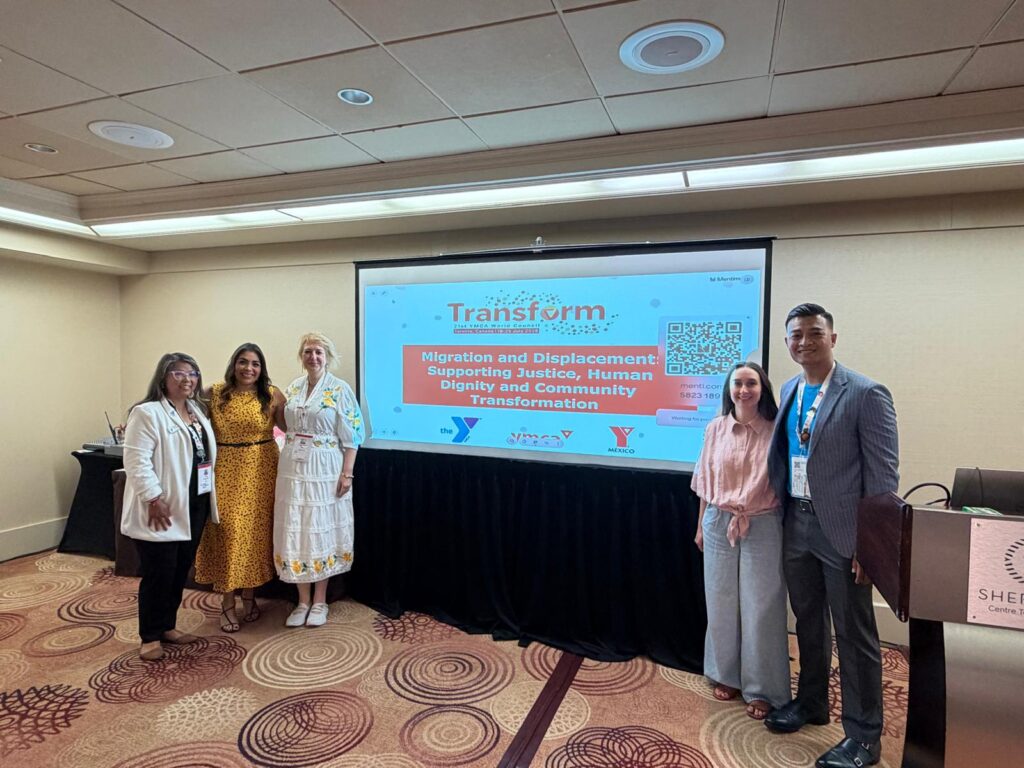
The session explored how YMCAs can respond to displacement while also supporting long-term inclusion, participation and belonging.
YMCA Europe presented experience from its Integration Hub Ecosystem. The approach connects immediate assistance for displaced people with local services, skills development, community participation and longer-term integration.
The workshop created opportunities for further cooperation between YMCAs working with migrants and refugees in Europe and other regions. It also demonstrated how local responses can be connected to broader learning and partnership frameworks.
“Belonging is not just a destination. It is something we intentionally build together. The World Council was not simply an event, but a platform for strengthening relationships, shaping ideas and building the collective leadership needed to support people and communities.” Alina Pop, Organisational Development Director at YMCA Europe
From organisational challenges to practical support
Movement strengthening and organisational culture were central to YMCA Europe’s participation.
Olga Lukina contributed to workshops on building stronger organisations and making organisational culture visible. YMCA Europe shared its experience in Health Assessments, governance support, leadership mentoring and organisational development processes.
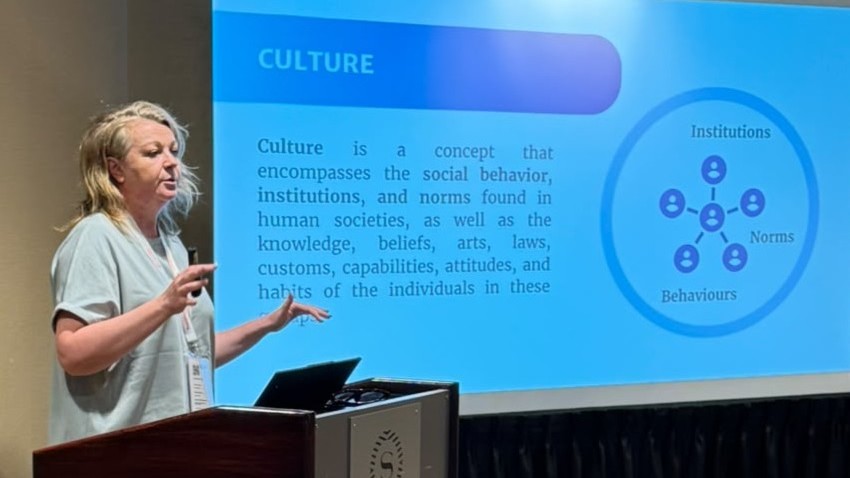
Several follow-up actions were agreed.
YMCA Ukraine will move forward with a Health Assessment and organisational development process. A new partner group approach will also be piloted to improve coordination between the movement and its international partners.
Further organisational development support was discussed with YMCA Netherlands, YMCA Romania, YMCA Malta and YMCA Russia.
YMCA Europe also opened discussions with Y’s Men International on practical cooperation in countries where both organisations are active. The next steps will be reviewed through the Strategy and Movement Strengthening team.
These outcomes move the conversation beyond general support. They establish specific processes, partners and responsibilities that can be followed after the World Council.
Expanding cooperation in peacebuilding
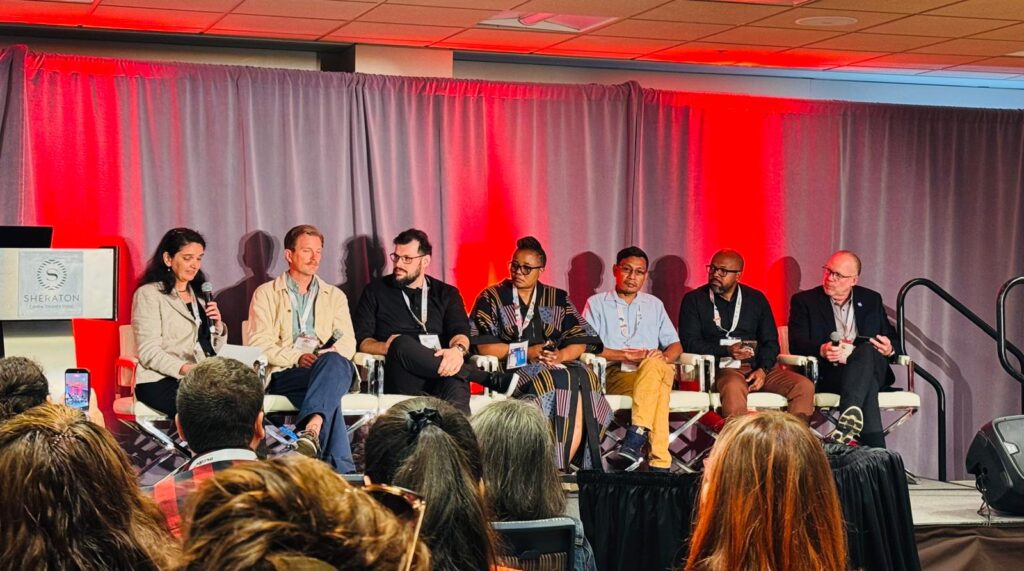
Vardan Hambardzumyan represented YMCA Europe in sessions and working meetings on peace, conflict transformation and youth participation.
He participated as a panellist in the session What Do Young People Need to Build Peace? From Insight to Collective Action Across Sectors, which included a keynote contribution from Felipe Paullier, United Nations Assistant Secretary-General for Youth Affairs.
He also joined discussions on the UN Youth, Peace and Security Agenda and co-facilitated the session Building Peace in Times of Disruption: Belonging, Voice and Global Action with YMCAs from the United States and Finland.
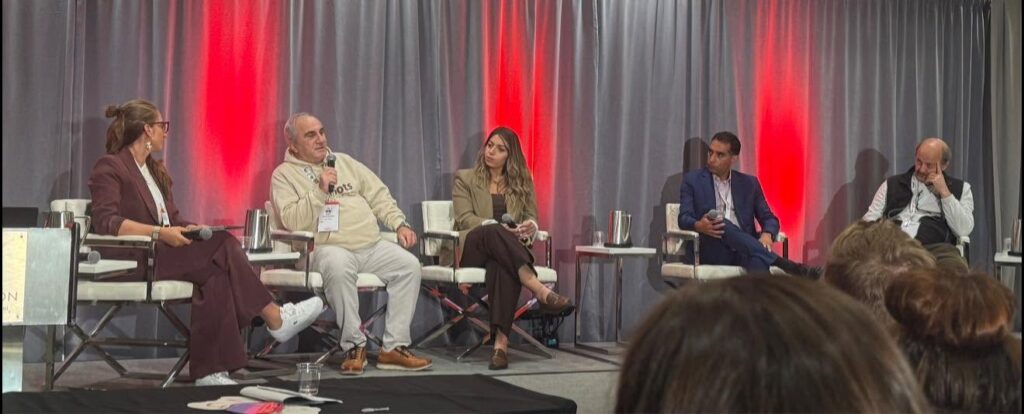
Through the Roots Ecosystem, YMCA Europe strengthened cooperation with YMCAs in the United States, Finland, Norway, Sweden, Canada and the Holy Land.
New discussions were also opened with Million Peacemakers, the Learning Planet Institute, Wellers Impact and other organisations working in peace education, conflict transformation and social impact.
These conversations confirmed that YMCA Europe has a clear contribution to make in this field. Future progress will depend on stronger coordination, shared programme development and a more strategic approach to partnerships and funding.
What follows after Toronto
The value of the World Council was not limited to visibility or participation.
The gathering produced specific agreements, strengthened existing partnerships and opened new opportunities for cooperation. It also provided a clearer understanding of the organisational realities, leadership transitions and programme priorities of YMCA movements across Europe and other regions.
The next phase will focus on:
- implementing agreed Health Assessments and organisational development processes;
- strengthening partnerships in migration, integration and peacebuilding;
- improving cooperation between national movements and global partners;
- following up on discussions with YMCA USA, World YMCA, Y’s Men International and other organisations;
- connecting European expertise with wider global opportunities.
Toronto brought the global movement together. The test now is whether the conversations, relationships and commitments developed there lead to sustained action.
YMCA Europe thanks World YMCA and YMCA Canada for hosting the gathering, and all National Movements that enabled their delegates to participate and contribute to this shared global process.
For a detailed overview of YMCA Europe’s participation, contributions and follow-up actions, download the full public report.