From Emergency Response to Sustainable Integration: EHMC Brings Community-Based Solutions to Brussels
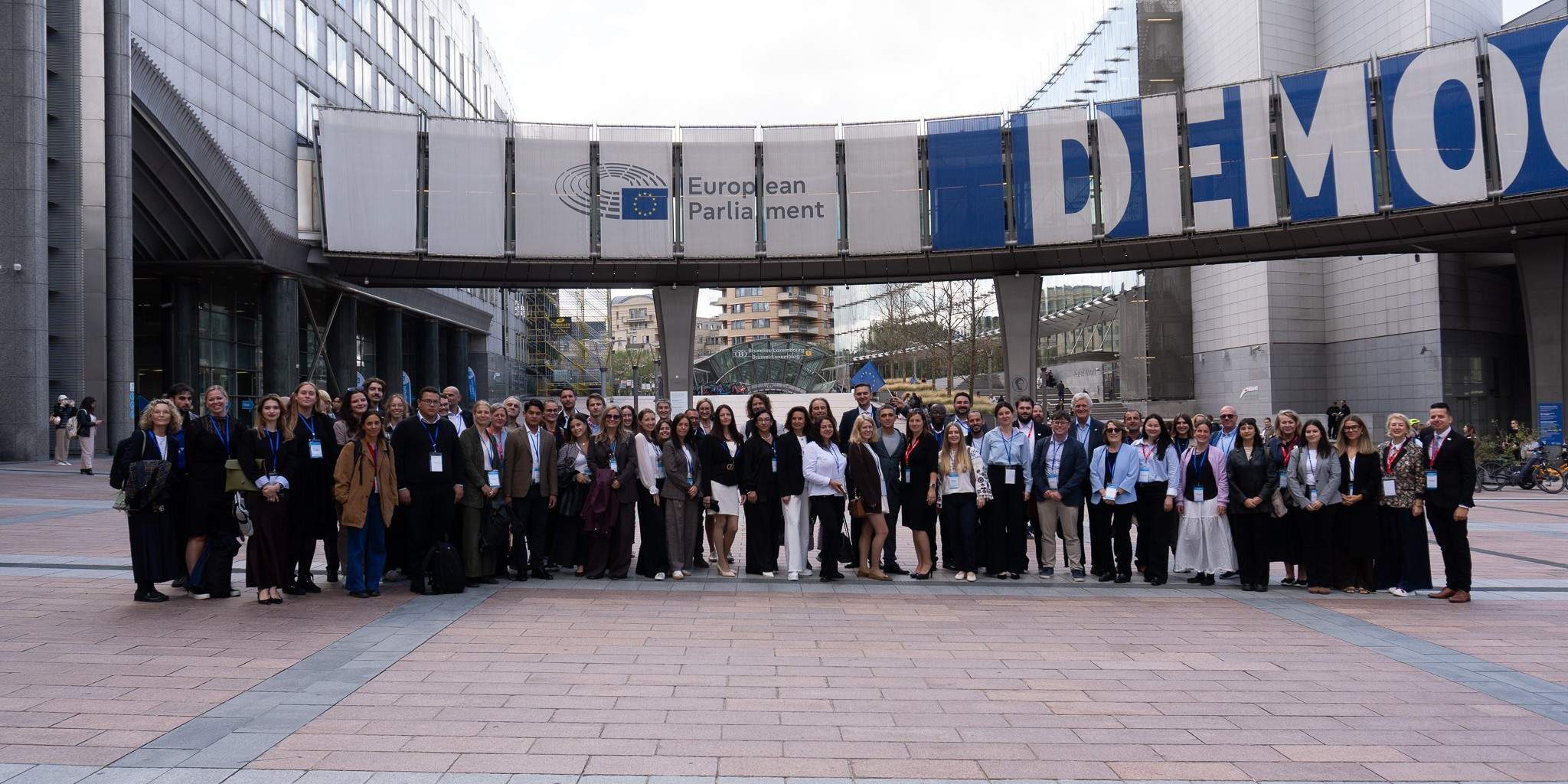
On 10 September, YMCA Europe and its partners brought the results of the eDU Hubs and Mobile Centres (EHMC) project to Brussels through the Community Forum “From Emergency Response to Sustainable Integration: Scaling Community-Based Solutions for Refugee Inclusion in Europe.”
Held at the European Parliament INFO Hub, the event marked an important dissemination stage of an 18-month European project focused on a practical question: how can support for Ukrainian refugees move beyond emergency assistance towards sustainable integration within local communities?

A model built around people and communities
The EHMC project is coordinated by YMCA Romania, in partnership with YMCA Europe, YMCA Slovakia and YMCA Germany. It is co-funded by the European Union through the European Social Fund+ Social Innovation+ Initiative, with additional support from the Accenture Foundation.
The project builds on YMCA’s community-based approach to refugee support. Instead of offering isolated services, the model brings different forms of assistance together around the needs of individuals and families.
Through local hubs and mobile services, refugees and host communities can access support including education and skills development, employment assistance, childcare, legal guidance, language learning, and medical and mental health services. While hubs provide a stable community base, mobile centres help extend services to people who may not otherwise be able to reach them.
The model has been developed and tested across Romania, Slovakia and Germany, using needs assessments, stakeholder mapping, capacity building and pilot activities to understand how it can be strengthened, transferred and adapted to different local contexts. The project aims to reach at least 6,000 Ukrainian refugees and members of host communities, with more intensive support expected to improve the lives of at least 1,500 people.
Importantly, refugees are not treated simply as recipients of services. The model involves the Ukrainian community and local stakeholders in shaping activities and identifying the support that is actually needed.

From local implementation to European policy
The Brussels Community Forum was designed to move this experience beyond the project itself.
Integration practitioners, refugees, civil society organisations, local authorities and European institutions came together to examine what had been learned from implementation and what would be needed to scale community-based approaches more widely.
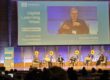
A central panel brought together Naima Musse Farah from the European Commission’s Directorate-General for Migration and Home Affairs; Gheorghe Paul Szaniszlo from Maramureș County Council in Romania; Omid Hotak, representing young people with lived migration experience; Raúl Lostal Lafuente from YMCA Spain; and Iryna Filonova, a Ukrainian project beneficiary now living in Romania.
Bringing institutional expertise together with frontline practice and lived experience was central to the Forum. The objective was not only to present what the project had done, but to examine which elements can inform future integration policies and programmes.
Following a closing keynote by Juan Fernando López Aguilar, Member of the European Parliament, participants worked on key conclusions, policy recommendations and opportunities for future cooperation.
Making social innovation transferable
The Forum was therefore more than a final project event.
One of the core objectives of EHMC has been to take a model developed through community practice, test and refine it across different countries, and generate knowledge that can be used by other organisations and public authorities. Dissemination and advocacy are built into the project precisely so that lessons from implementation can contribute to wider systemic change.

The Brussels discussions reinforced a key lesson from the project: sustainable integration cannot be delivered by one organisation or one type of service. It requires cooperation between refugees, communities, civil society, public authorities and other partners, with solutions designed around real local needs.
As the EHMC project moves towards its conclusion, the focus now shifts from testing the model to ensuring that its methods, evidence and lessons can continue to inform refugee inclusion work beyond the countries where it was piloted.
The Community Forum provided that bridge: from local practice to European exchange, and from emergency response towards longer-term integration.